Bumper Offer - Urjas oil Just @ Rs. 1
Rabase, a prescription drug, is manufactured in various forms such as Capsule. It is primarily used for the treatment of Acidity. Rabase also has some secondary and off-label uses. These are listed below.
Medical history of the patient along with age and gender determines the dosage of Rabase. The condition it has been prescribed for, and the route of administration also determine the right dosage. Refer to the dosage section for a detailed discussion.
The most common side effects of Rabase are Diarrhoea. Besides the aforementioned side effects, there are other adverse effects of Rabase as well, which are listed below. Normally, these side effects of Rabase are not long lasting and go away when the treatment is finished. However, if these continue for a longer time, consult your doctor right away.
Furthermore, you should know that effect of Rabase is Safe for pregnant women and Moderate for women who are breastfeeding. Further, the section on Rabase related warnings talks about Rabase's effects on the liver, heart and kidney.
Individuals suffering from medical conditions like Diarrhea (Loose Motions) must refrain from the use of Rabase since this can cause severe adverse effects. Some other conditions that can be affected by Rabase are listed in the contraindications section below.
Drug reaction of Rabase with other medicines has been reported. A complete list of these interactions is given below.
In addition to the above precautions for Rabase, it is important to know that it is not safe while driving, and is not habit-forming.
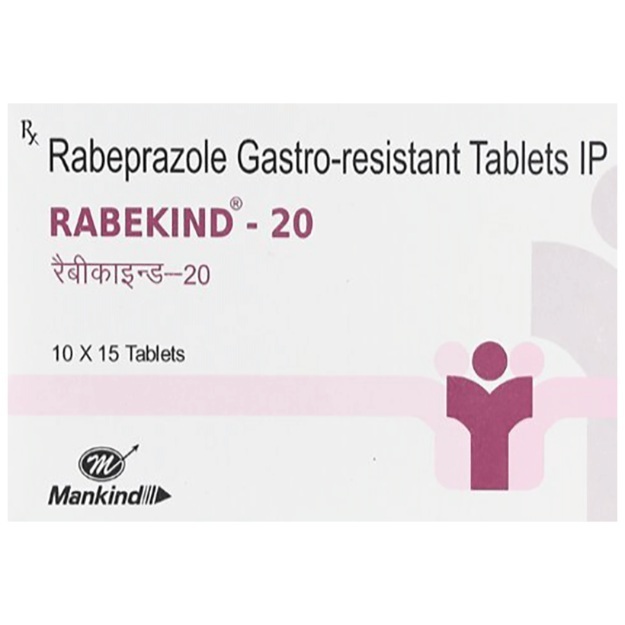
Rabase is used to treat the following -
Main Benefits
Other Benefits
This is the usual dosage recommended in most common treatment cases. Please remember that every patient and their case is different, so the dosage can be different based on the disease, route of administration, patient's age and medical history.
Find the right dosage based on disease and age
| Age Group | Dosage |
| Adult |
|
| Geriatric |
|
| 13 - 18 years (Adolescent) |
|
| 2 - 12 years (Child) |
|
Based on research, the following side effects have been observed when Rabase is used -
Moderate
Mild
Common
Is the use of Rabase safe for pregnant women?
Rabase is safe to take during pregnancy.
Is the use of Rabase safe during breastfeeding?
Breastfeeding women may feel side effects of Rabase. If you see any side effects, stop taking Rabase immediately and talk to your doctor. Take Rabase again, only after your doctor's advice.
What is the effect of Rabase on the Kidneys?
Rabase does not damage the kidneys.
What is the effect of Rabase on the Liver?
Rabase may have mild side effects on the liver. Most people will never see any effect on the liver.
What is the effect of Rabase on the Heart?
Rabase is not harmful for the heart.
Rabase should not be taken with following medicines due to severe side effects it may cause to patients -
Moderate
If you are suffering from any of the following diseases, you should not take Rabase unless your doctor advises you to do so -
Is this Rabase habit forming or addictive?
No, there is no any evidence that Rabase is addictive.
Is it safe to drive or operate heavy machinery when consuming?
No, you should not drive or operate heavy machinery after taking Rabase as you may feel sleepy.
Is it safe?
There are no side effects of Rabase, so it is safe for use.
Is it able to treat mental disorders?
There is no benefit of taking Rabase for mental disorders.
Interaction between Food and Rabase
It is safe to take Rabase with food.
Interaction between Alcohol and Rabase
Consumption of alcohol and Rabase together may have severe effects on your health.
No, Rabase doesn't cause high blood pressure. High blood pressure can be managed by losing some amount of weight, doing some kind of physical activity on a daily basis, eating a healthy diet, reducing sodium in the diet, limiting the amount of alcohol and caffeine, quitting smoking, and taking less stress. If your blood pressure doesn't get controlled, your doctor might start you on a hypertensive drug ( amlodipine, telmisartan etc). Please follow the instructions of your doctor completely.
This is because a long-term use of Rabase can cause Vitamin B12 deficiency. Stomach acids help in the absorption of Vitamin B 12, and this drug suppresses stomach acid which is required for the absorption of vitamin B12. Hence patients taking [medicine] for a long time have Vitamin B12 deficiency. To replenish Vitamin B12 in your body your doctor prescribes this vitamin along with this medicine.
Yes, Rabase is given in combination with itopride. The combination is used for the management of gastro-esophageal reflux disorder (GERD).
Yes, Rabase may cause gas. It is a common side effect of this drug. If you experience excessive gas formation in the stomach after consuming this drug then inform to doctor right away without further delay.
No, Rabase is not an antibiotic. It belongs to the group of medications called proton pump inhibitor which blocks the excessive acid secretion in the stomach while antibiotics are the medicine that prevents and treats the infection caused by bacteria.
This medicine data has been created by -
B.Pharma, Pharmacy
7 Years of Experience
References
US Food and Drug Administration (FDA) [Internet]. Maryland. USA; Package leaflet information for the user; Aciphex® (rabeprazole sodium)
KD Tripathi. [link]. Seventh Edition. New Delhi, India: Jaypee Brothers Medical Publishers; 2013: Page No 653
April Hazard Vallerand, Cynthia A. Sanoski. [link]. Sixteenth Edition. Philadelphia, China: F. A. Davis Company; 2019: Page No 1077-1078
US Food and Drug Administration (FDA) [Internet]. Maryland. USA; Package leaflet information for the user; Aciphex® (rabeprazole sodium)
KD Tripathi. [link]. Seventh Edition. New Delhi, India: Jaypee Brothers Medical Publishers; 2013: Page No 653
April Hazard Vallerand, Cynthia A. Sanoski. [link]. Sixteenth Edition. Philadelphia, China: F. A. Davis Company; 2019: Page No 1077-1078