Bumper Offer - Urjas oil Just @ Rs. 1
Rabiq is a prescription medicine that is available as a Tablet. It is primarily used for the treatment of Acidity. The alternative uses of Rabiq have also been explained below.
The correct dosage of Rabiq depends on the patient's age, gender, and medical history. Besides the medical condition it is advised for, the route of administration also plays an important role in determining the correct drug dosage. For detailed information on this, read through the dosage section.
The most common side effects of Rabiq are Diarrhoea. Besides the aforementioned side effects, there are other adverse effects of Rabiq as well, which are listed below. Normally, these side effects of Rabiq are not long lasting and go away when the treatment is finished. Please speak with your doctor if these side effects worsen or persist for a longer duration.
In addition, Rabiq's effect is Safe during pregnancy and Moderate for lactating mothers. Further, the section on Rabiq related warnings talks about Rabiq's effects on the liver, heart and kidney.
Rabiq is contraindicated in people with pre-existing medical conditions like Diarrhea (Loose Motions) as it can result in adverse effects. Other contraindications of Rabiq have been discussed in the sections ahead.
Drug reaction of Rabiq with other medicines has been reported. A complete list of these interactions is given below.
You should also be aware that Rabiq is not safe while driving, and is not addiction.
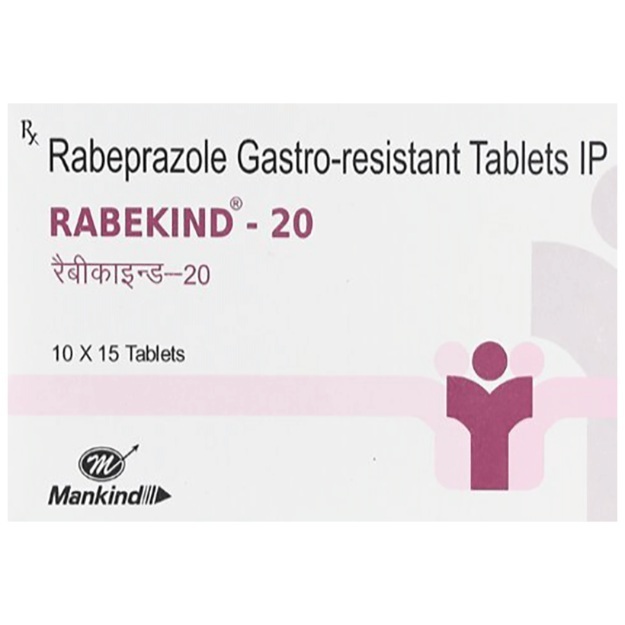
Rabiq is used to treat the following -
Main Benefits
Other Benefits
This is the usual dosage recommended in most common treatment cases. Please remember that every patient and their case is different, so the dosage can be different based on the disease, route of administration, patient's age and medical history.
Find the right dosage based on disease and age
| Age Group | Dosage |
| Adult |
|
| Geriatric |
|
| 13 - 18 years (Adolescent) |
|
| 2 - 12 years (Child) |
|
Based on research, the following side effects have been observed when Rabiq is used -
Moderate
Mild
Common
Is the use of Rabiq safe for pregnant women?
Pregnant women can take Rabiq safely.
Is the use of Rabiq safe during breastfeeding?
Rabiq can cause moderate side effects on breastfeeding women. If you feel its side effects, then stop taking this drug and consult your doctor. Take this medicine again only if your doctor advises to do so.
What is the effect of Rabiq on the Kidneys?
Rabiq does not damage the kidneys.
What is the effect of Rabiq on the Liver?
Rabiq may have mild side effects on the liver. Most people will never see any effect on the liver.
What is the effect of Rabiq on the Heart?
Rabiq is completely safe for the heart.
Rabiq should not be taken with following medicines due to severe side effects it may cause to patients -
Moderate
If you are suffering from any of the following diseases, you should not take Rabiq unless your doctor advises you to do so -
Is this Rabiq habit forming or addictive?
No, there is no any evidence that Rabiq is addictive.
Is it safe to drive or operate heavy machinery when consuming?
No, you should do not do anything that requires concentration and attention as the Rabiq can make you feel drowsy.
Is it safe?
Yes, Rabiq does not show any kind of adverse effect.
Is it able to treat mental disorders?
No, Rabiq cannot treat any kind of mental disorder.
Interaction between Food and Rabiq
Taking Rabiq with food is safe.
Interaction between Alcohol and Rabiq
Consult your doctor before consuming alcohol while taking Rabiq as it can have severe side effects.
Yes, Rabiq might lead to low magnesium levels in persons who take it for at least 3 months. Magnesium helps in absorption of vitamin D and calcium, low level of magnesium will affect the absorption of Vit. D and calcium lead to decrease bone density and increases the risk of bone fracture. Low-level magnesium can be managed by taking a dietary supplement which is rich in magnesium.
Rabiq may cause allergy in rare instances. An allergic reaction might lead to swelling of the face, development of a rash, throat tightness and difficulty in breathing. If you develop any of these symptoms, talk to your doctor immediately. He may stop Rabiq for a while and examine you properly.
Rabiq should be taken for as long as it is prescribed by your doctor. Do not stop taking it or take an extra dose on your own. Always follow the instructions of your doctor completely.
No, Rabiq is not an antibiotic. It belongs to the group of medications called proton pump inhibitor which blocks the excessive acid secretion in the stomach while antibiotics are the medicine that prevents and treats the infection caused by bacteria.
Yes, Rabiq may cause gas. It is a common side effect of this drug. If you experience excessive gas formation in the stomach after consuming this drug then inform to doctor right away without further delay.
This medicine data has been created by -
B.Pharma, Pharmacy
7 Years of Experience
References
US Food and Drug Administration (FDA) [Internet]. Maryland. USA; Package leaflet information for the user; Aciphex® (rabeprazole sodium)
KD Tripathi. [link]. Seventh Edition. New Delhi, India: Jaypee Brothers Medical Publishers; 2013: Page No 653
April Hazard Vallerand, Cynthia A. Sanoski. [link]. Sixteenth Edition. Philadelphia, China: F. A. Davis Company; 2019: Page No 1077-1078
US Food and Drug Administration (FDA) [Internet]. Maryland. USA; Package leaflet information for the user; Aciphex® (rabeprazole sodium)
KD Tripathi. [link]. Seventh Edition. New Delhi, India: Jaypee Brothers Medical Publishers; 2013: Page No 653
April Hazard Vallerand, Cynthia A. Sanoski. [link]. Sixteenth Edition. Philadelphia, China: F. A. Davis Company; 2019: Page No 1077-1078