Bumper Offer - Urjas oil Just @ Rs. 1
Tinidin is a prescription medicine that is available as a Infusion. Primarily, it is used for the treatment of Amebiasis. Other than this, Tinidin has some other therapeutic uses, which have been discussed ahead.
The right dosage of Tinidin depends on the age, gender, and medical history of the patient. The condition it has been prescribed for, and the route of administration also determine the right dosage. Detailed information has been provided in the dosage section.
While these are the most often observed Tinidin side effects, there are can be others also. These have been listed below. Normally, these side effects of Tinidin are not long lasting and go away when the treatment is finished. Consult your doctor if these side effects become worse or stay for a longer duration.
Furthermore, you should know that effect of Tinidin is Moderate for pregnant women and Moderate for women who are breastfeeding. Further, the section on Tinidin related warnings talks about Tinidin's effects on the liver, heart and kidney.
Tinidin is contraindicated in people with pre-existing medical conditions like Peripheral Neuropathy as it can result in adverse effects. Some other conditions that can be affected by Tinidin are listed in the contraindications section below.
Besides this, Tinidin may also have severe interaction with some medicines. See below for a complete list.
In addition to the above precautions for Tinidin, it is important to know that it is not safe while driving, and is not habit-forming.
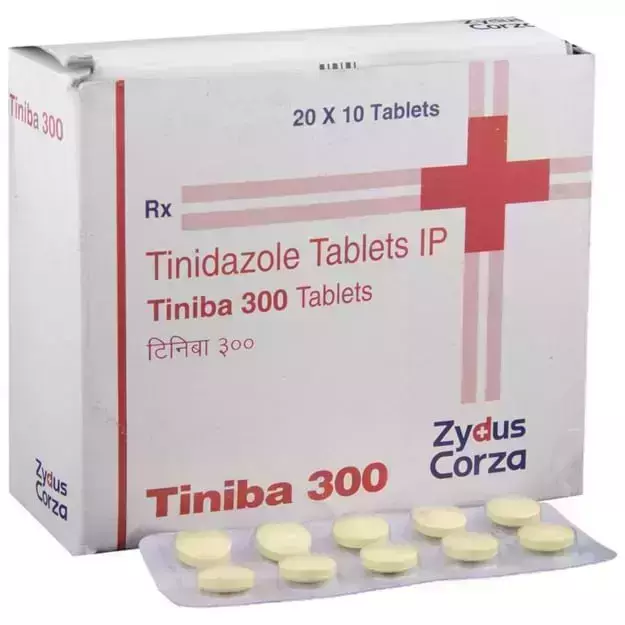
Tinidin is used to treat the following -
Main Benefits
Other Benefits
This is the usual dosage recommended in most common treatment cases. Please remember that every patient and their case is different, so the dosage can be different based on the disease, route of administration, patient's age and medical history.
Find the right dosage based on disease and age
| Age Group | Dosage |
Based on research, the following side effects have been observed when Tinidin is used -
Mild
Is the use of Tinidin safe for pregnant women?
Tinidin can have harmful effects in pregnant women. If you experience any discomfort after using Tinidin, then discontinue the use and take your doctor's advice.
Is the use of Tinidin safe during breastfeeding?
Tinidin can cause moderate side effects on breastfeeding women. If you feel its side effects, then stop taking this drug and consult your doctor. Take this medicine again only if your doctor advises to do so.
What is the effect of Tinidin on the Kidneys?
Tinidin rarely affects the kidneys.
What is the effect of Tinidin on the Liver?
Tinidin is rarely harmful for the liver.
What is the effect of Tinidin on the Heart?
Tinidin is completely safe for the heart.
Tinidin should not be taken with following medicines due to severe side effects it may cause to patients -
Severe
Mild
If you are suffering from any of the following diseases, you should not take Tinidin unless your doctor advises you to do so -
Is this Tinidin habit forming or addictive?
Tinidin does not cause addiction.
Is it safe to drive or operate heavy machinery when consuming?
You may feel sleepy or tired after taking Tinidin. So it is best to avoid driving.
Is it safe?
Yes, but take Tinidin only as per medical advice.
Is it able to treat mental disorders?
No, Tinidin cannot treat any kind of mental disorder.
Interaction between Food and Tinidin
You can take Tinidin with food.
Interaction between Alcohol and Tinidin
Consuming Tinidin with alcohol can have many serious effects on your body.
Yes, Tinidin is an antibiotic belonging to a class of compounds known as antiprotozoals. It kills bacteria and other microorganisms by killing their DNA.
No, Tinidin is not recommended to be used for acne. For treating acne, one must talk to a doctor. There are many over the counter creams available for treating acne such as topical antibiotics, creams containing ingredients like retinoids, salicylic acid, benzoyl peroxide, glycolic acid, isotretinoin, etc. There are many herbal creams also available which contain ingredients like fuller's earth, aloe vera, etc. However, it is best to see a doctor who is likely to prescribe a cream as per the skin type and severity of one's acne. Acne can be prevented or managed by eating a low carb, low fat and high protein diet, by drinking a lot of water, by treating hormonal issues and staying stress-free.
No, Tinidin is not a sulfa drug. It is an antibiotic belonging to a class of compounds known as antiprotozoals. It kills bacteria and other microorganisms by killing their DNA.
Yes, Tinidin is used for treating chlamydia infection. Chlamydia is caused by a bacteria called Chlamydia trachomatis. It can be transmitted through unprotected intercourse, and from an infected pregnant mother to her fetus. Chlamydia can be prevented and managed by using condoms everytime you have sex, and by knowing the status of sexually transmitted diseases of your partner.
Yes, Tinidin may cause allergy in rare cases. The symptoms could be rash, itching, extreme dizziness, swelling of the tongue, throat, and face, difficulty in breathing, etc. If you experience any of these symptoms, discontinue using Tinidin and talk to your doctor immediately.
This medicine data has been created by -
B.Pharma, Pharmacy
7 Years of Experience
References
US Food and Drug Administration (FDA) [Internet]. Maryland. USA; Package leaflet information for the user; Tindamax® (tinidazole)
KD Tripathi. [link]. Seventh Edition. New Delhi, India: Jaypee Brothers Medical Publishers; 2013: Page No 839
US Food and Drug Administration (FDA) [Internet]. Maryland. USA; Package leaflet information for the user; Tindamax® (tinidazole)
KD Tripathi. [link]. Seventh Edition. New Delhi, India: Jaypee Brothers Medical Publishers; 2013: Page No 839