


 Download App



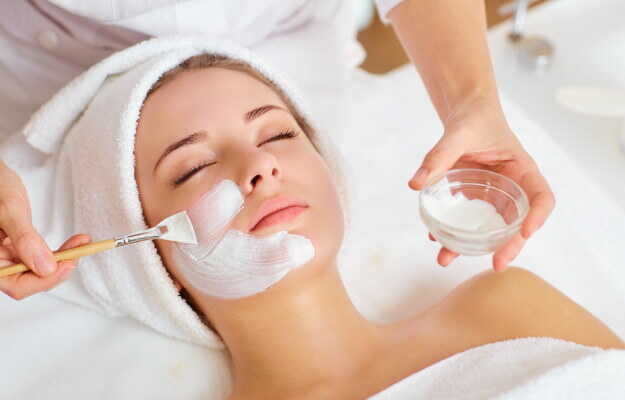



Have you ever looked in the mirror and wished your skin had a more even tone, or that those tiny, almost invisible facial hairs weren't quite so noticeable? Many people share this common desire for a brighter, more uniform complexion. It's a natural wish to feel confident in your own skin, and for some, facial bleaching can be a helpful step towards achieving that look. But what exactly is this process, how does it work, and most importantly, how can you use it in a way that is truly safe for your skin?
- What is Facial Bleaching?
- Why Bleach Your Face?
- How Facial Bleaching Works
- Types of Bleaching Products
- How Often Can You Bleach?
- Key Safety Tips Before Bleaching
- When to Avoid Bleaching
- Bleaching Alternatives
- Frequently Asked Questions (FAQs) About Facial Bleaching
- Prioritize Skin Health

What is Facial Bleaching?
At its core, facial bleaching involves using special chemical solutions to lighten the color of your skin or the fine hairs that grow on your face. You can think of it like using a very gentle, specialized eraser on your skin's canvas, designed to make certain darker spots or areas of pigmentation, as well as those wispy facial hairs, less visible to the eye. It's important to understand that this process does not permanently change your natural skin color from within your body. Instead, its primary goal is to target and reduce the appearance of existing pigment, aiming to create a brighter and more even overall skin tone that enhances your natural beauty.
(Read More: Skin Care Tips for Every Season: Stay Glowing Year-Round)


 Share & Earn

 Embed
Embed
 Link
Link
 Whatsapp
 Facebook
 X
Share & Earn
Embed
Link
Whatsapp
Facebook
X
X
Share & Earn
Embed
Link
Whatsapp
Facebook
X
Why Bleach Your Face?
People consider incorporating facial bleaching into their beauty routine for several distinct and common reasons, often driven by a desire for a more uniform and radiant complexion. One of the primary motivations is to address dark spots. These can include sun spots that appear after prolonged sun exposure, lingering marks from old pimples or acne breakouts, or more widespread darker patches like melasma, which often show up on the forehead, cheeks, and upper lip. Bleaching can help these areas blend in more seamlessly with the surrounding skin, reducing their prominence. Another popular reason is to hide facial hair. While some people prefer to remove facial hair by waxing or threading, others opt to lighten fine hairs on areas like the upper lip, chin, or cheeks. By lightening these hairs, they become much less noticeable against your skin, offering a quick and non-invasive alternative to hair removal. Ultimately, if your skin tone feels uneven, with some areas appearing darker than others, bleaching can also be used to help give your entire face a more consistent, harmonious, and brighter appearance, contributing to an overall sense of freshness and glow.
(Read More: Effective Home Remedies for Sun Tan Removal)
How Facial Bleaching Works
The magic behind facial bleaching is quite straightforward and centers on a natural pigment found in our bodies called melanin. Melanin is responsible for giving color to our skin, hair, and even our eyes. When you apply a facial bleaching product, it contains special chemical ingredients that are designed to gently interact with this melanin. For dark spots on your skin, these ingredients work to reduce the intensity of the existing melanin pigment, making those darker areas appear lighter and blend more effectively with your natural skin tone. When used for hair, the chemicals act on the pigment within the hair strands themselves, making the hair color much lighter, often turning it almost translucent, so it's far less visible against your skin. Most of these products are designed for immediate use, often coming in two parts that you mix together right before you apply them. This ensures the active ingredients are fresh and effective. After application, you typically leave the mixture on for a short, specific period, as directed by the product instructions, before thoroughly rinsing it off to reveal the lighter results.
(Read More: Understanding Melasma: Causes, Triggers)
Types of Bleaching Products
You'll mainly find two types of bleaching products:
- Over-the-Counter (OTC) Creams: These are products you can buy at drugstores for home use. They often contain ingredients like hydrogen peroxide (good for lightening hair) or other mild skin lighteners. These are made for the face, so they're usually not very strong. They are designed for safe and easy use at home, allowing you to address concerns like subtle dark spots or fine facial hair in the comfort of your own space.
- Professional Treatments: For very stubborn dark spots, widespread uneven skin tone, or deeper pigmentation concerns that home products can't effectively address, a skin doctor (dermatologist) or a qualified salon professional might suggest more advanced procedures. These can include stronger chemical peels, microdermabrasion, or various types of laser therapy. It's crucial to understand that these professional treatments operate on different principles and are performed by trained experts, offering results that home bleaching products cannot. This article focuses primarily on understanding and safely using home-based, over-the-counter bleaching products.
(Read More: Melasma and Iron Deficiency)
How Often Can You Bleach?
This question is extremely important when it comes to the safe use of facial bleaching products, and it requires careful attention. The main, overarching rule to remember is: Use it less often! Consistency in reading labels is also paramount; always, always, read the instructions on your product's box every single time you plan to use it. These instructions are your primary guide, as product formulations and strengths can vary significantly between brands.
There isn't a single, universal answer for how often everyone can bleach their face, because the right frequency depends on several individual factors. These include the product strength (stronger formulations naturally require much longer breaks between applications), your specific skin type (if your skin is sensitive, prone to redness, or easily irritated, you'll need to be far more cautious and use it less often), what you're specifically bleaching (are you targeting a very small, isolated dark spot, or are you applying it to a larger area to lighten fine facial hair?), and most critically, how your individual skin reacts to the product (if you feel any tingling, burning, or notice redness, your skin is signaling that it needs a break and perhaps a longer one).
(Read More: Ancient Beauty Secrets: Home Remedies for Glowing Skin)
When looking at General Guidelines, always proceed with a strong warning and prioritize your skin's health. For lightening fine facial hair, you might typically consider using the product once every 2 to 4 weeks. This frequency allows sufficient time for the hair to grow back a bit and, more importantly, gives your skin ample time to recover and rest between applications. However, for lightening dark spots on the skin itself, the approach is much more cautious and infrequent. Products designed for skin pigment lightening are generally meant to be used for a very short course of treatment—perhaps just 2 to 3 times over a few weeks—followed by a long, extended break. It cannot be stressed enough: Do NOT use skin lightening bleach continuously or even every week. Consistent, long-term, or overly frequent use of these products, especially for skin lightening, can paradoxically lead to more dark spots or even cause permanent skin damage, undoing any benefits you might have hoped for.
It's crucial to be aware of the signs of using too much bleach. If you notice a significant amount of redness or irritation, feel a persistent burning or stinging sensation, see your skin starting to peel or become excessively dry, or find that your skin is unusually sensitive to sunlight after using the product, these are clear warnings. In some ironic cases, consistent overuse can even lead to certain spots on your skin getting darker (a condition called ochronosis), which is the exact opposite of the desired effect. Always remember: pushing these products beyond their recommended usage can seriously harm your beautiful skin over time. Our goal is to achieve healthy, glowing skin, not create new problems.
(Read More: Gluten and Gluten-Free Foods)
Key Safety Tips Before Bleaching
Before you use any bleaching product, follow these important rules:
- Do a Patch Test: This step is non-negotiable and an absolute must! Put a tiny amount of the mixed product on a small, inconspicuous area of your skin, such as behind your ear or on the inside of your elbow. Leave it on for the recommended time and then rinse. Crucially, wait a full 24 hours to observe any reaction. If you notice any redness, itching, burning, or irritation in that test area, it means you are likely sensitive or allergic to an ingredient, and you should not use the product on your face.
- Read Instructions Carefully: Always read the directions on the product packaging every single time you intend to use it. Product formulations can vary significantly between brands, and even different products from the same brand might have slightly different instructions regarding mixing ratios, application time, and specific precautions. Understanding these details precisely is vital for safe and effective use.
- Avoid Sensitive Areas: Be very mindful and keep the bleaching mixture away from extremely delicate parts of your face. This includes your eyes, eyebrows (unless you're specifically bleaching them with a product designed and labeled for brows), nostrils, and lips. Additionally, never apply bleach to any area of broken skin, such such as cuts, scrapes, open pimples, or areas affected by eczema or dermatitis, as this can cause severe irritation, pain, and potentially lead to infection or worsen skin conditions.
- Don't Mix Products: A crucial warning: Never combine different facial bleaching products together. Also, avoid applying bleach immediately after using other strong skincare products, especially those containing potent active ingredients like Retinoids (e.g., Tretinoin, Retinol), Alpha Hydroxy Acids (AHAs like glycolic acid), or Beta Hydroxy Acids (BHAs like salicylic acid). Combining these powerful ingredients can lead to over-exfoliation, extreme irritation, severe redness, and even chemical burns, causing significant damage to your skin's protective barrier.
- Clean Skin: Ensure your face is thoroughly clean and dry before you begin the bleaching process. Any dirt, oil, makeup residue, or even traces of other skincare products on your skin can interfere with the bleaching product's effectiveness, potentially causing uneven results or leading to unexpected irritation.
- Sun Protection is Key: This point is absolutely non-negotiable and extremely important after bleaching your face. Bleached skin becomes significantly more vulnerable and sensitive to sun damage, making it much more susceptible to sunburn, new dark spots, or worsening existing pigmentation. Therefore, after using any bleaching product, it is critical to apply a broad-spectrum sunscreen with an SPF of 30 or higher every single day, even on cloudy days or when indoors near windows. Consistent sun protection will diligently safeguard your newly lightened skin and help prevent new dark spots from forming, preserving your results.
- Moisturize After: Finally, after you've thoroughly rinsed off the bleach according to the product instructions, always follow up with a generous application of a gentle, hydrating moisturizer. This essential step helps to soothe your skin, replenish any moisture that might have been lost during the bleaching process, and support your skin's natural barrier function, leaving your skin feeling comfortable, soft, and well-cared for.
(Read More: Citrus Fruits: Zesty Benefits, Potential Risks & Smart Tips)
When to Avoid Bleaching
While facial bleaching can be helpful for some, there are specific situations where it's best to completely avoid the process to prevent potential harm or adverse reactions. Do not use facial bleach if you have Very Sensitive Skin, meaning your skin frequently reacts to new products or is prone to redness and irritation. In such cases, it might be much safer and more beneficial to explore other skin-lightening alternatives. Similarly, if you know you are Allergic to any specific ingredient listed in the product, using it is strictly advised against.
It's also crucial to avoid bleaching if your Skin Is Irritated or Compromised. This means if you are experiencing active acne breakouts, have patches of eczema, dermatitis, or any cuts, scrapes, or open wounds on your face, wait until your skin is completely healed and calm before considering bleach. Applying chemicals to compromised skin can lead to severe irritation, discomfort, and potentially worsen your skin condition.
If you are Pregnant or Breastfeeding, it is always a wise and highly recommended precaution to talk to your doctor before introducing any new chemical-based beauty treatments, including facial bleaching, into your routine. Your doctor can advise you on the safety of such products during these sensitive periods. Furthermore, if you currently Use Strong Skincare Products that contain potent active ingredients like Retinoids (e.g., Tretinoin, Retinol), Alpha Hydroxy Acids (AHAs like glycolic acid), or Beta Hydroxy Acids (BHAs like salicylic acid), it's essential to consult a dermatologist before attempting facial bleaching. Combining these strong ingredients can lead to over-exfoliation, extreme irritation, and damage to your skin's barrier. Lastly, if you have Certain Ongoing Health Issues or are taking specific medications, it's always best practice to chat with your doctor or a dermatologist before trying any new chemical beauty treatment to ensure it won't interfere with your health or medications.
(Read More: The Hydrafacial Revolution: Everything You Need to Know)
Bleaching Alternatives
If the idea of facial bleaching feels a bit too much, or if you're simply looking for other ways to achieve bright, even skin and manage facial hair, you'll be glad to know there are many excellent alternatives available.
For unwanted facial hair, you have several options that directly remove the hair rather than just lightening it. Threading or Waxing are popular methods that remove hair from the root, providing a smooth finish for several weeks. An Epilator is a handheld device that mechanically plucks multiple hairs from the root, offering a similar long-lasting result. For a more permanent reduction of hair growth, Laser Hair Removal is a professional treatment done in clinics that uses concentrated light to damage hair follicles, significantly reducing future hair growth over time.
(Read More: DIY Facial at Home: Your Complete Guide to Glowing Skin)
For dark spots and uneven skin tone, there are highly effective strategies that focus on improving skin health and clarity. The absolute best first step is always to Talk to a Dermatologist. They are expert skin doctors who can accurately diagnose the cause of your dark spots and recommend the safest and most effective personalized treatment plan for your skin type and concerns. They might suggest Professional Treatments such as gentle chemical peels, which use acids to exfoliate the top layers of skin and reveal brighter skin underneath, or certain laser treatments designed to target and break down pigment. For your daily skincare routine, look for products containing powerful Skincare Ingredients known for their brightening properties. These include Vitamin C, a potent antioxidant that brightens and evens skin tone; Niacinamide (Vitamin B3), which helps reduce inflammation and improve skin barrier function; Alpha Arbutin, a gentler alternative to hydroquinone for pigment reduction; or Kojic Acid, another popular ingredient for inhibiting melanin production. These ingredients work gently over time to improve skin clarity. And perhaps the most crucial alternative (or complement to any brightening routine) is Daily Sunscreen. Consistent use of a broad-spectrum sunscreen with SPF 30 or higher is truly the best way to prevent new dark spots from forming and to keep existing ones from getting darker, making it an indispensable part of any quest for an even skin tone.
(Read More: Fiber-Rich Foods: Your Essential Guide to Health)
Frequently Asked Questions (FAQs) About Facial Bleaching
Have questions? Here are the solutions.
What is facial bleaching primarily used for?
Facial bleaching is mainly used to lighten dark spots on the skin (like sun spots or marks from pimples) and to make fine facial hair less noticeable so it blends in with your skin.
How does facial bleaching make my skin lighter?
It works by using special ingredients that gently act on melanin, which is the pigment that gives your skin and hair its color. For dark spots, it lightens existing melanin; for hair, it lightens the hair's pigment.
(Read More: Oligomenorrhea: causes, symptoms, prevention, treatment)
Is it safe to bleach my face often?
No, it is generally recommended to use facial bleaching products infrequently. Always read and follow the specific product's instructions carefully. Overuse can lead to irritation, redness, dryness, or even make dark spots worse.
What should I do if my skin reacts badly to bleach?
If you experience redness, burning, itching, or peeling, immediately rinse the product off thoroughly. Stop using the product and consider consulting a dermatologist if the irritation persists. Always do a patch test before full application.
Are there other ways to lighten dark spots or hide facial hair without bleach?
Yes! For dark spots, you can consult a dermatologist for professional treatments, or use skincare products with ingredients like Vitamin C, Niacinamide, or Kojic Acid. For facial hair, options include threading, waxing, epilation, or laser hair removal. Consistent daily sunscreen use is also crucial for preventing new dark spots.
(Read More: How to Get an Early Period: Your Simple Guide)
Prioritize Skin Health
So, facial bleaching can be a useful tool to help you achieve brighter, more even skin and lighten unwanted facial hair. But remember, it's a strong tool that must always be used with the utmost care and caution. Your skin's health should always be your top priority over quick fixes or aggressive treatments. By listening to your skin's needs, diligently following all product instructions, and committing to consistent daily sun protection, you hold the real secrets to achieving and maintaining healthy, truly glowing skin. If you're ever unsure about how to proceed, or if you have specific skin concerns, remember that your skin doctor (dermatologist) is always the best and safest person to ask for personalized advice.

Doctors for How Often to Bleach Your Face: A Safe Guide

Dr. Ashish Mishra.
Dermatology
4 Years of Experience

Dr. Divyanshu Srivastava
Dermatology
10 Years of Experience

Dr. G.ARUN
Dermatology
6 Years of Experience