


 Download App




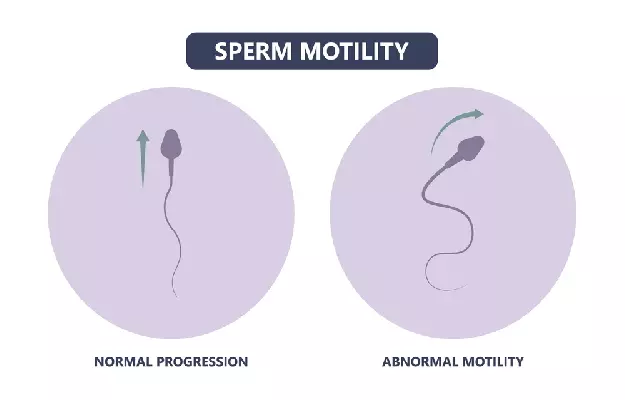



Sperm motility refers to the ability of sperm to move efficiently. This movement is crucial for fertilization because sperm must swim through the female reproductive tract to reach and fertilize an egg. Poor sperm motility is one of the leading causes of male infertility. Many factors can influence motility, including lifestyle, diet, environmental exposure, and medical conditions. The good news is that with the right guidance, many men can improve sperm motility naturally and support their fertility.
- Factors That Affect Sperm Motilit
- Diet and Supplements to Boost Sperm Motility
- Lifestyle Modifications for Better Sperm Health
- Medical Interventions
- FAQs
- Conclusion

Factors That Affect Sperm Motilit
Lifestyle Choices
How you live your life can directly impact sperm health. Smoking is known to reduce sperm count and motility, making it harder to conceive. Excessive alcohol consumption can have a similar effect. Maintaining a healthy weight is also essential, as obesity is linked to decreased sperm motility and quality. Making small changes like quitting smoking, moderating alcohol, and adopting a balanced diet can improve sperm movement over time.
(Read more: What is sperm, its role, and importance)
Environmental Factors
Prolonged exposure to heat, such as hot baths or saunas, can impair sperm production. Chemicals like pesticides, solvents, and heavy metals may also negatively affect sperm motility. Reducing exposure to these environmental stressors and practicing safe handling of chemicals can protect your fertility.
Medical Conditions
Certain health conditions can reduce sperm motility. Varicocele, which is swelling of veins in the scrotum, may decrease sperm quality. Surgical correction can improve motility in some cases. Infections such as chlamydia and gonorrhea can also impact sperm health, so prevention and timely treatment are important. Hormonal imbalances may be another factor, and hormone therapy under medical supervision can sometimes help improve motility.

 Share & Earn

 Embed
Embed
 Link
Link
 Whatsapp
 Facebook
 X
Share & Earn
Embed
Link
Whatsapp
Facebook
X
X
Share & Earn
Embed
Link
Whatsapp
Facebook
X
Diet and Supplements to Boost Sperm Motility
Eating a nutrient-rich diet can have a direct impact on sperm health. Antioxidants like vitamin C and E reduce oxidative stress and protect sperm cells. Minerals such as zinc and selenium support sperm production and movement. Some supplements, like coenzyme Q10 and lycopene, have been shown to enhance sperm motility and overall quality. Incorporating a Mediterranean-style diet rich in fruits, vegetables, whole grains, and healthy fats can also be beneficial for male fertility.
 Share & Earn
Embed
Link
Whatsapp
Facebook
X
Share & Earn
Embed
Link
Whatsapp
Facebook
X
Share & Earn
Embed
Link
Whatsapp
Facebook
X
Share & Earn
Embed
Link
Whatsapp
Facebook
X
Lifestyle Modifications for Better Sperm Health
Regular exercise improves overall health and may support sperm motility, though excessive intense exercise can have the opposite effect. Managing stress through meditation, yoga, or relaxation techniques can also help, as chronic stress is known to negatively affect sperm production. Adequate sleep, around seven to nine hours per night, is essential for hormone regulation and reproductive health.




 Share & Earn
Embed
Link
Whatsapp
Facebook
X
Share & Earn
Embed
Link
Whatsapp
Facebook
X
Share & Earn
Embed
Link
Whatsapp
Facebook
X
Share & Earn
Embed
Link
Whatsapp
Facebook
X
Medical Interventions
For men with persistently low sperm motility, medical interventions may be necessary. Hormone treatments can correct imbalances and stimulate sperm production. Surgical procedures like varicocele repair can improve motility in some cases. For couples facing difficulty conceiving naturally, assisted reproductive technologies such as intrauterine insemination or in vitro fertilization may be considered.
(Read more: What is sperm donation )
FAQs
What is considered low sperm motility?
Sperm motility is low when fewer than 40 percent of sperm show forward movement.
Can lifestyle changes improve sperm motility?
Yes, quitting smoking, reducing alcohol, maintaining a healthy weight, exercising moderately, managing stress, and improving diet can all help.
Do supplements really work for sperm motility?
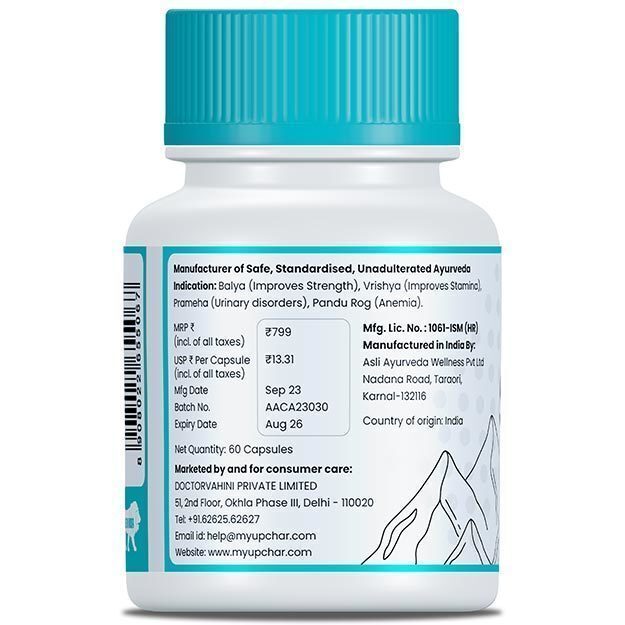
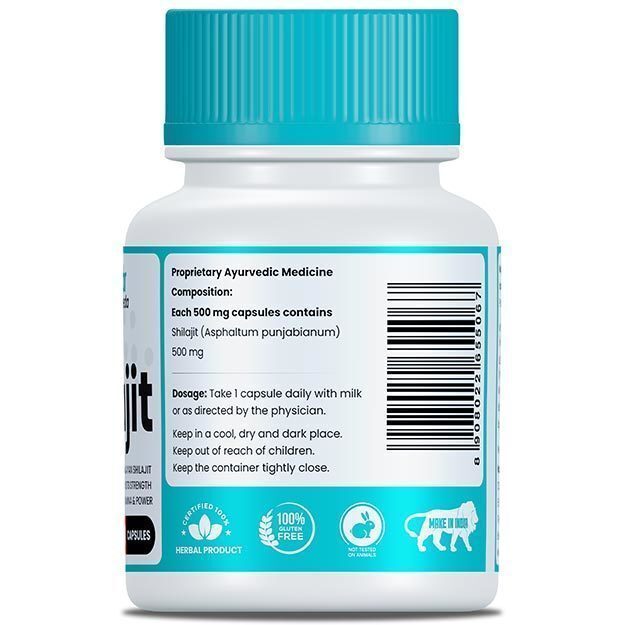
Certain antioxidants and nutrients like coenzyme Q10, zinc, selenium, and vitamins C and E have been shown to improve motility in some men.
How long does it take to see improvement?
Sperm development takes about three months, so noticeable improvements in motility may take this long after implementing lifestyle or dietary changes.
When should I see a doctor?
If you have difficulty conceiving after a year of regular, unprotected intercourse, or have known risk factors for infertility, consulting a healthcare professional is recommended.


 Share & Earn
Embed
Link
Whatsapp
Facebook
X
Share & Earn
Embed
Link
Whatsapp
Facebook
X
Share & Earn
Embed
Link
Whatsapp
Facebook
X
Share & Earn
Embed
Link
Whatsapp
Facebook
X
Conclusion
Sperm motility plays a vital role in male fertility, and several factors can influence it, from lifestyle choices and diet to medical conditions and environmental exposures. While poor motility can be challenging, many men can improve their sperm health through practical steps such as maintaining a healthy lifestyle, managing stress, eating a nutrient-rich diet, and seeking medical guidance when necessary. Early attention and informed choices can make a significant difference in fertility outcomes. Consulting a healthcare professional ensures that the approach is safe, personalized, and effective.

Doctors for sexual disorders and issues

Dr. Hakeem Basit khan
Sexology
15 Years of Experience

Dr. Zeeshan Khan
Sexology
9 Years of Experience

Dr. Nizamuddin
Sexology
5 Years of Experience