Bumper Offer - Urjas oil Just @ Rs. 1
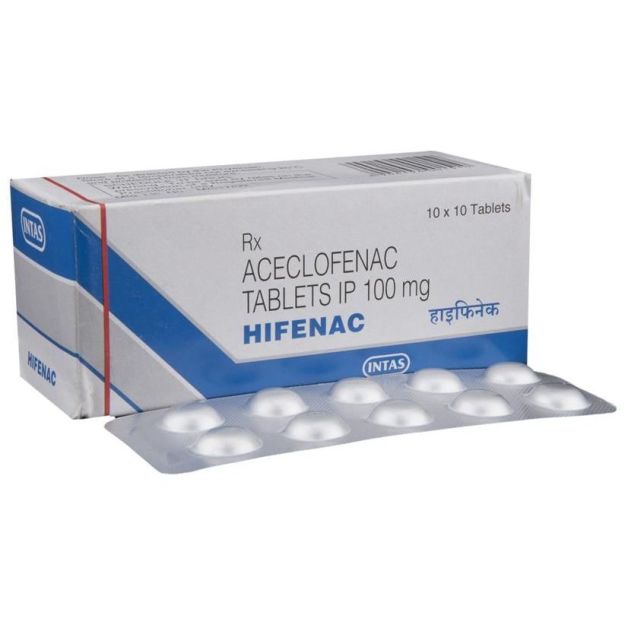
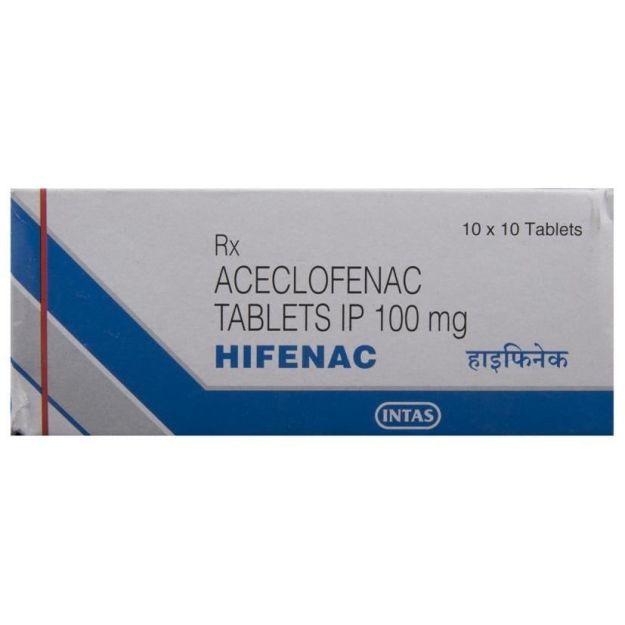
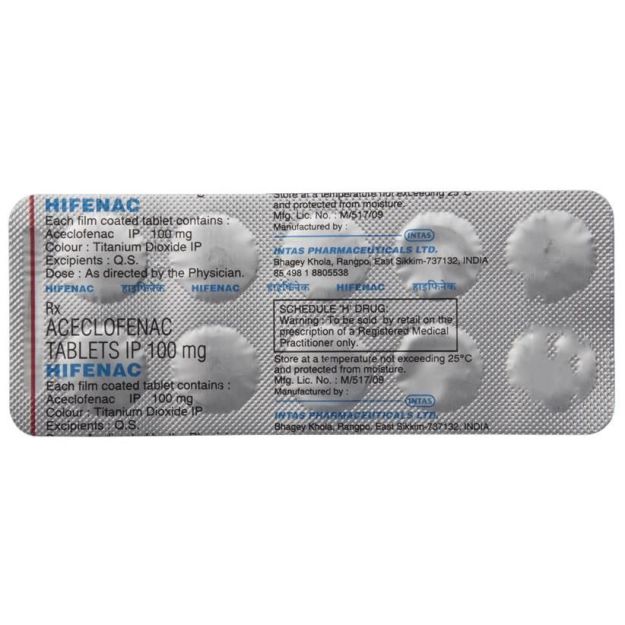
Hifenac is a prescription drug, available for use as Tablet,Gel. Primarily, it is used for the treatment of Fever, Muscle Pain, Osteoarthritis. Hifenac also has some secondary and off-label uses. These are listed below.
Medical history of the patient along with age and gender determines the dosage of Hifenac. Individual symptoms and route of administration also determines the right dosage. This information has been provided in detail in the dosage section.
Hifenac also has some side effects, the most common being Diarrhoea. While these are the most often observed Hifenac side effects, there are can be others also. These have been listed below. Usually, these side effects of Hifenac go away soon, and do not persist beyond the duration of the treatment. Please speak with your doctor if these side effects worsen or persist for a longer duration.
In addition, Hifenac's effect is Severe during pregnancy and Severe for lactating mothers. Warnings related to Hifenac's effects on the liver, heart and kidney, if any, have been listed below.
Hifenac can cause adverse effects in certain medical conditions. It is strongly recommended to avoid Hifenac in conditions like Kidney Disease, Asthma, Blood Clotting Disorders. The section on Hifenac contraindications lists all such conditions.
Drug reaction of Hifenac with other medicines has been reported. A complete list of these interactions is given below.
In addition to these precautions, you may also note that Hifenac is safe while driving, and is is addictive in nature.
Hifenac is used to treat the following -
Main Benefits
Other Benefits
This is the usual dosage recommended in most common treatment cases. Please remember that every patient and their case is different, so the dosage can be different based on the disease, route of administration, patient's age and medical history.
Find the right dosage based on disease and age
| Age Group | Dosage |
Based on research, the following side effects have been observed when Hifenac is used -
Severe
Moderate
Mild
Common
Is the use of Hifenac safe for pregnant women?
Hifenac can cause severe side effects if taken during pregnancy, so, pregnant women should talk to their doctor before taking it.
Is the use of Hifenac safe during breastfeeding?
Hifenac should not be taken without taking your doctor's advice, as it may have severe side effects on breastfeeding women.
What is the effect of Hifenac on the Kidneys?
Hifenac has very mild side effects on the kidneys.
What is the effect of Hifenac on the Liver?
You may experience side effects on your liver after taking Hifenac. If this happens, then discontinue its use. Consult your medical practitioner, do as he/she suggests.
What is the effect of Hifenac on the Heart?
The heart can be affected by Hifenac. If you experience any unwanted effects of this drug, stop taking it and consult your doctor. You should restart the medicine only after medical advice.
Hifenac should not be taken with following medicines due to severe side effects it may cause to patients -
Severe
Moderate
If you are suffering from any of the following diseases, you should not take Hifenac unless your doctor advises you to do so -
Is this Hifenac habit forming or addictive?
Hifenac does not cause addiction.
Is it safe to drive or operate heavy machinery when consuming?
Yes, it is safe to do these activities or work after taking Hifenac as it does not make you drowsy.
Is it safe?
Yes, Hifenac is safe for use.
Is it able to treat mental disorders?
No, Hifenac is not used to treat mental disorders.
Interaction between Food and Hifenac
Taking Hifenac with food does not cause any problems.
Interaction between Alcohol and Hifenac
Side effects of drinking alcohol and taking Hifenac at the same time are rare and minor. However, if you face any side effects, talk to your doctor immediately.
This medicine data has been created by -
References
KD Tripathi. Seventh Edition. New Delhi, India: Jaypee Brothers Medical Publishers; 2013: Page No 204