

 Download App



 Doctors for Hypovolemia

What is hypovolaemia?
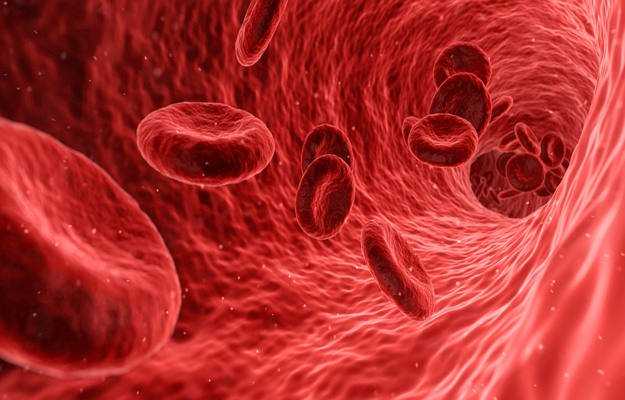
Hypovolaemia is the decrease in blood volume due to loss of blood, plasma and/or plasma water, which is encountered in cases of severe dehydration or blood loss. This eventually results in a loss of intravascular content and limits tissue perfusion. It can be fatal if left untreated.
What are its main signs and symptoms?
The common signs and symptoms of hypovolaemia include:
- Generalised weakness
- Paleness of skin (pallor)
- Cool, clammy skin or sweating, moist skin
- Rapid breathing
- Anxiety or agitation
- Low blood pressure (hypotension)
- Low or no urine output
- State of confusion
- Unconsciousness
What are its main causes?
Hypovolemia can be caused by:
- Loss of body fluids due to the following:
- Severe persistent diarrhoea and vomiting
- Extensive burns
- Excessive sweating
- Use of diuretics
- Increased urination as seen with kidney diseases
- Blood loss due to the following:
- Bleeding from cuts or other injuries
- Internal bleeding, such as in the digestive tract
- Clotting abnormalities
- Surgeries
How is it diagnosed and treated?
The diagnosis is mainly considered by the physician based on signs and symptoms and a complete physical examination. Further evaluation is done on the basis of the following tests:
- Blood test to evaluate kidney function, complete blood count (CBC) and damage to the heart muscles
- X-ray
- Ultrasound
- Computed tomography (CT) scan
- Endoscopy
- Echocardiogram
- Right heart catheterisation
- Urinary catheterisation
Treatment of hypovolaemia includes:
- The first line of treatment would be measured to replace blood and fluids, which can be achieved by giving various oral rehydrating liquids or intravenous (IV – through veins) transfusion of blood or fluids depending upon the cause of hypovolaemia. Further, to avoid hypothermia, the individual should be made comfortable and warm.
- In case the cause is an allergy, anti-allergens should be given.
- In severe cases, to increase blood pressure and cardiac output (the amount of blood pumped out of the heart), medications such as norepinephrine, dopamine, epinephrine or dobutamine may be given.