


 Download App




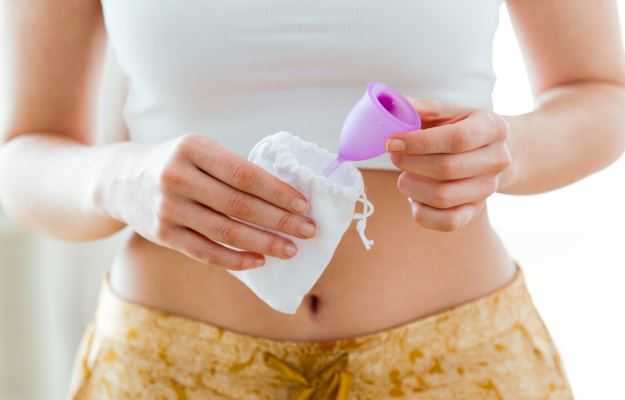



Many women and couples wonder if pregnancy can happen during menstruation. The common belief is that bleeding days are “safe days”. But the human body does not always follow textbook rules. Understanding the menstrual cycle, the timing of ovulation, and how long sperm can survive inside the reproductive system is the key to answering this question.
In this article we will explain the science of conception, break down the fertile window, and talk about the chances of pregnancy during, before, or right after your period. The goal is to give you medically accurate information in simple language so you can make safe and informed decisions about your reproductive health.
- How Conception Happens
- Understanding the Menstrual Cycle and Fertile Window
- Pregnancy Chances Just Before Period
- Pregnancy Chances During Period
- Pregnancy Chances Right After Period
- Factors That Influence Pregnancy Risk During Period
- Practical Advice and Safety
- When to See a Doctor
- FAQs
- Conclusion

How Conception Happens
Pregnancy begins when a sperm fertilizes an egg. The egg is released during ovulation, which usually happens once in every menstrual cycle. After release, the egg stays alive for about 12 to 24 hours. Sperm, on the other hand, can survive inside the female reproductive tract for up to 5 days under favorable conditions.
This difference in lifespan is important. If intercourse happens close to ovulation, sperm may already be waiting in the fallopian tubes when the egg arrives. That overlap of sperm survival and egg release creates the fertile window.



 Share & Earn

 Embed
Embed
 Link
Link
 Whatsapp
 Facebook
 X
Share & Earn
Embed
Link
Whatsapp
Facebook
X
X
Share & Earn
Embed
Link
Whatsapp
Facebook
X
Understanding the Menstrual Cycle and Fertile Window
A menstrual cycle is counted from the first day of bleeding to the first day of the next period. The average cycle length is 28 days, but many women have shorter or longer cycles ranging from 21 to 35 days.
The cycle has different phases. Menstrual phase is when bleeding occurs. The follicular phase follows, where the body prepares an egg. Around the middle of the cycle comes ovulation, the release of the egg. After ovulation the luteal phase begins, where the body prepares for a possible pregnancy.
The fertile window is the time when pregnancy is most likely to happen. It usually spans about 6 days, ending on the day of ovulation. Intercourse within this window has the highest chance of leading to pregnancy. But the exact timing varies with each person, and that is why predicting fertility is not always easy.
Read more: How to use a pregnancy test kit
 Share & Earn
Embed
Link
Whatsapp
Facebook
X
Share & Earn
Embed
Link
Whatsapp
Facebook
X
Share & Earn
Embed
Link
Whatsapp
Facebook
X
Share & Earn
Embed
Link
Whatsapp
Facebook
X
Pregnancy Chances Just Before Period
In a typical 28-day cycle, ovulation happens around day 14 and the next period arrives around day 28. By the time the period is near, the egg is no longer viable, and chances of pregnancy are very low. However, not all cycles are regular. In shorter cycles or in cycles where ovulation is delayed, the timing may shift. That means for some women there can still be a slight chance of pregnancy even close to the expected period.
Pregnancy Chances During Period
Most people believe that it is impossible to get pregnant while menstruating. Medically, the chances are low but not zero. During the first days of bleeding, the body is usually shedding the uterine lining, and ovulation has not yet occurred. But in women with shorter cycles, ovulation can happen earlier than average.
For example, if a woman has a cycle of 21 days and bleeding lasts for 7 days, ovulation may occur soon after the bleeding ends. Since sperm can survive up to 5 days, having intercourse during the last days of the period may result in sperm still being alive when ovulation happens.
Another factor is irregular bleeding. Sometimes spotting during ovulation is mistaken for a light period. If a woman has intercourse during such bleeding, she may actually be in her fertile window. This is why pregnancy during menstruation, though uncommon, is still possible.
Read more: How to get pregnant
Pregnancy Chances Right After Period
The days immediately after a period are more likely to result in pregnancy compared to during the period itself. If ovulation occurs early in the cycle, sperm from intercourse right after menstruation can survive long enough to fertilize the egg. For women with short cycles, this risk is higher. For women with longer cycles, the gap between period and ovulation is larger, so chances are lower, but still not zero.
Factors That Influence Pregnancy Risk During Period
Several factors change the chances of pregnancy while bleeding. Cycle length is one of the most important. Shorter cycles mean ovulation happens sooner after menstruation. Women with irregular cycles may ovulate at unpredictable times, making it hard to calculate safe days. The lifespan of sperm also plays a role, since some survive longer than others depending on cervical mucus and other body conditions.
Confusion between actual period bleeding and spotting adds to the uncertainty. Bleeding in the middle of the cycle may look like a period but may actually indicate ovulation. In such cases, having intercourse may coincide with the fertile window.
Read more: Period pain remedies
Practical Advice and Safety
If you are trying to avoid pregnancy, do not rely on your period as a form of natural protection. The only reliable way to prevent pregnancy is through consistent use of contraception, whether that is condoms, birth control pills, intrauterine devices, or other medically recommended methods.
If you are trying to conceive, tracking your cycle can help. Methods such as ovulation kits, basal body temperature monitoring, or keeping a menstrual calendar may give you a clearer idea of your fertile days. However, these methods are not perfect, especially for women with irregular cycles.

Doctors for Can You Get Pregnant During Your Period? Myths, Facts and Medical Insights

Dr. Hakeem Basit khan
Sexology
15 Years of Experience

Dr. Zeeshan Khan
Sexology
9 Years of Experience

Dr. Nizamuddin
Sexology
5 Years of Experience

Dr. Tahir
Sexology
20 Years of Experience
References
- healthdirect Australia. Getting pregnant. Australian government: Department of Health
- Denny Sakkas et al. Sperm selection in natural conception: what can we learn from Mother Nature to improve assisted reproduction outcomes? Hum Reprod Update. 2015 Nov; 21(6): 711–726. PMID: 26386468
- Steven Dowshen. Female Reproductive System. KidsHealth, Nemours Foundation [Internet]
- MedlinePlus Medical Encyclopedia: US National Library of Medicine; Pregnancy - identifying fertile days
- MedlinePlus Medical Encyclopedia: US National Library of Medicine; Ovulation home test
- American Pregnancy Association. [Internet]; Can You Get Pregnant On Your Period?.
- Allen J Wilcox, David Dunson, Donna Day Baird. The timing of the “fertile window” in the menstrual cycle: day specific estimates from a prospective study. BMJ. 2000 Nov 18; 321(7271): 1259–1262. PMID: 11082086
- Prashant Verma, Kaushalendra Kumar Singh, Anjali Singh. Pregnancy risk during menstrual cycle: misconceptions among urban men in India. Reprod Health. 2017; 14: 71. PMID: 28606153
- National Health Service [Internet]. UK; Can I get pregnant just after my period has finished?.