


 Download App




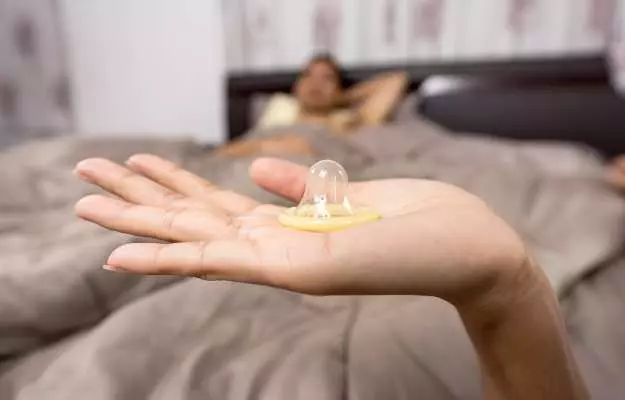



Condoms are one of the simplest, safest, and most accessible methods of contraception. They act as a barrier between partners, preventing the exchange of body fluids that can cause pregnancy or transmit infections. Unlike many other methods, condoms do not require a prescription, medical procedure, or hormones. They are available in almost every pharmacy and even online, making them the first line of protection for millions of people worldwide.
Yet, despite being so common, condoms are also surrounded by myths, confusion, and improper usage. Many people either do not know how to use them correctly or underestimate their importance. This often leads to accidents, unplanned pregnancies, or the spread of sexually transmitted infections (STIs).
In this article, we will explore condoms in detail—how they work, their effectiveness, how to use them correctly, the different types available, and what to do if something goes wrong. By the end, you will have a clear, medically accurate, and practical understanding of why condoms matter and how to use them the right way.
- What is a Condom?
- Types of Condoms
- How Condoms Work
- Effectiveness of Condoms
- Correct Way to Use a Condom
- Common Mistakes That Reduce Protection
- What to Do if a Condom Breaks or Slips
- Advantages of Using Condoms
- Limitations of Condoms
- Myths and Misconceptions - What is a Condom in Hindi
- Practical Tips for Choosing and Using Condoms
- Best Condoms
- Frequently Asked Questions
- Conclusion

What is a Condom?
A condom is a thin, flexible covering designed to fit over the penis (male condom) or inside the vagina (female or internal condom). Its main role is to block semen, vaginal fluids, and blood from passing between partners during sex. In doing so, it lowers the risk of pregnancy and reduces the spread of infections such as HIV, chlamydia, gonorrhea, and syphilis.
Condoms have been used for hundreds of years, evolving from early versions made of animal skin or linen to the modern ones made of latex and synthetic materials. Today, they are widely recognized by medical experts as an essential tool for safe sex.
Read more: Infertility
Types of Condoms
There are different types of condoms based on individual usage.
Male (External) Condoms
The most common type, worn over an erect penis. They are usually made of latex, but alternatives exist for those with allergies. Modern condoms come in different sizes, thickness levels, and features such as lubrication or textures to enhance sensation.
Female (Internal) Condoms
These are worn inside the vagina and have a flexible ring at both ends to keep them in place. While less common than male condoms, they provide similar protection and can be inserted hours before intercourse, giving more control to women.
Non-Latex Condoms
Some people are allergic to latex, leading to itching, burning, or discomfort. For them, condoms made from polyurethane or polyisoprene are available. These materials are just as effective but may feel slightly different.
Special Variants
Flavored condoms, ultra-thin condoms, and textured condoms are also available. While they may improve comfort or add variety, they should still meet safety standards to ensure proper protection.
How Condoms Work
Condoms create a physical barrier that prevents sperm from entering the vagina and fertilizing an egg. At the same time, they stop the transfer of fluids that carry infections. When used correctly, this dual protection makes condoms unique among contraceptives because they lower both pregnancy and infection risks.
The mechanism is simple:
- Male condoms collect semen during ejaculation, preventing it from entering the partner’s body.
- Female condoms line the vaginal walls and block contact between mucous membranes, offering protection for both partners.
Read more: Erectile dysfunction
Effectiveness of Condoms
Many people assume condoms are 100% effective, but this depends on how they are used. Medical research shows two important measures of effectiveness:
- Perfect use: When used correctly every time, male condoms prevent about 98 out of 100 pregnancies per year. That means only about 2 women out of 100 may get pregnant despite using them consistently and correctly.
- Typical use: In real life, people sometimes make mistakes, such as putting them on too late, not using them in every sexual encounter, or tearing them accidentally. With typical use, condoms prevent about 82 out of 100 pregnancies per year.
When it comes to infections, condoms are highly protective against HIV and other fluid-borne diseases like gonorrhea and chlamydia. They are somewhat less effective against infections spread through skin-to-skin contact, such as herpes and human papillomavirus (HPV), but they still significantly reduce the overall risk.
Correct Way to Use a Condom
Using a condom correctly is the difference between protection and failure. Here is a clear step-by-step process explained in simple words:
- Check the packet: Look for the expiry date and make sure the wrapper is intact. Do not use a condom that feels brittle, sticky, or damaged.
- Open carefully: Tear the packet along the edge, not with teeth or sharp objects.
- Put it on before any genital contact: Wait until the penis is erect, pinch the tip of the condom to leave space for semen, and roll it down to the base.
- During sex: If lubrication is needed, use only water-based or silicone-based lubricants with latex condoms. Oil-based products like petroleum jelly can weaken the material.
After sex: Hold the condom at the base before withdrawing to avoid spillage. Remove it carefully, tie it, and dispose of it in a bin. Do not flush it down the toilet.
Common Mistakes That Reduce Protection
- Using an expired or damaged condom.
- Not wearing it from the very start of sexual activity.
- Reusing a condom.
- Wearing it inside out or not rolling it fully down.
- Not leaving space at the tip.
- Using the wrong lubricant.
- Not storing condoms properly (e.g., keeping them in wallets for months, where heat and friction damage them).
Studies show that most condom failures result from these user errors rather than defects in the condom itself.
Read More - Multiple orgasms benefits
What to Do if a Condom Breaks or Slips
Even with careful use, accidents can happen. If a condom breaks, slips, or leaks:
- For pregnancy prevention: Emergency contraception is available and works best if taken as soon as possible, ideally within 72 hours.
- For STI prevention: If there is a risk of exposure to HIV or another serious infection, medical advice should be sought immediately. Post-exposure treatments exist for certain infections and are most effective when started quickly.
Testing: If there has been a high-risk exposure, both partners should get tested for STIs after the recommended window period.
Advantages of Using Condoms
- Widely available without prescription.
- No hormonal side effects.
- Protect against both pregnancy and infections.
- Easy to carry, use, and dispose of.
- Affordable and sometimes distributed free in clinics.
- Reversible—fertility returns as soon as you stop using them.
Limitations of Condoms
- Require correct use every time.
- Some people report reduced sensation or discomfort.
- Possible latex allergy for a few individuals.
- Not as discreet as certain other contraceptives.
- Can interrupt sexual spontaneity if not discussed openly.
Read More - Interesting facts about orgasm
Myths and Misconceptions - What is a Condom in Hindi
“Condoms always break.” In reality, high-quality condoms rarely break if stored and used correctly. Most accidents are due to mistakes like using oil-based lubricants or putting them on incorrectly.
“They reduce pleasure.” Many people find that using thin, textured, or lubricated condoms actually enhances pleasure. Sensation loss is usually minimal.
“They are only for people who sleep around.” Condoms are for anyone who wants protection, whether in a long-term relationship or casual encounter.
“You don’t need a condom if you trust your partner.” Trust is important, but infections can exist without symptoms. Using a condom is about safety, not mistrust.
Practical Tips for Choosing and Using Condoms
- Choose the right size for comfort and effectiveness.
- Experiment with different types to find what feels best for you and your partner.
- Store them in a cool, dry place, away from sunlight and friction.
- Do not be embarrassed to buy them—think of it as buying a health product like medicine or vitamins.
- Communicate openly with your partner. Discussing condoms before intimacy can prevent awkwardness later.
Best Condoms
Choosing the best condom depends on personal comfort, health needs, and sexual preferences. While all approved condoms offer protection, certain types may be better for specific situations:
- Best for safety: Standard latex condoms with lubrication are the most widely tested and reliable for both pregnancy and STI prevention.
- Best for people with allergies: Non-latex condoms made from polyurethane or polyisoprene are safe and effective alternatives.
- Best for sensitivity: Ultra-thin condoms are designed to maximize sensation while still providing protection.
- Best for variety: Textured condoms, such as ribbed or dotted, may increase pleasure for one or both partners.
- Best for oral sex: Flavored condoms can make the experience more enjoyable while still protecting against infections.
- Best for women’s control: Internal condoms give women more autonomy and can be inserted before intimacy begins.
The “best” condom is the one that feels comfortable, does not cause irritation, and is used correctly every time. Trying different types can help partners discover what works best for them.
Frequently Asked Questions
1. How effective are condoms at preventing pregnancy?
With perfect use, they are about 98% effective. With typical use, the effectiveness is closer to 82%.
2. Do condoms protect against all STIs?
They greatly reduce the risk of most infections, especially those spread by fluids, such as HIV, gonorrhea, and chlamydia. They are less protective against infections spread by skin contact, like herpes or HPV, but still lower the overall risk.
3. Can condoms be reused?
No. A condom is strictly for one-time use only.
4. What should I do if a condom breaks?
Consider emergency contraception to prevent pregnancy and consult a healthcare professional about STI testing or preventive treatments.
5. Do condoms expire?
Yes. Expired condoms are more likely to tear. Always check the date on the packet.
6. Are there condoms for people with latex allergy?
Yes. Polyurethane and polyisoprene condoms are good alternatives.
7. Do condoms reduce sexual pleasure?
Not necessarily. Many users adapt quickly, and certain types even enhance pleasure.
8. Where should I store condoms?
In a cool, dry place. Avoid wallets or cars where heat and friction can damage them.
Read More - Orgasmic Dysfunction Treatment
Conclusion
Condoms are one of the simplest yet most powerful tools for protecting your sexual health. They are widely available, affordable, and free from side effects, making them suitable for almost everyone. When used correctly and consistently, they not only prevent unplanned pregnancies but also provide strong protection against many sexually transmitted infections.
Beyond their medical benefits, condoms also symbolize responsibility and respect. Choosing to use one shows that you care about your own health and that of your partner. Far from reducing intimacy, condoms can actually increase trust, comfort, and confidence in a relationship.
No method of contraception is perfect, but condoms stand out because they combine effectiveness, accessibility, and safety in one small package. With the right knowledge and attitude, there is no reason to let myths, embarrassment, or hesitation get in the way of safer sex.
Taking charge of your health starts with small, simple choices—and using a condom is one of the smartest and most empowering choices you can make.

Doctors for sexual disorders and issues

Dr. Hakeem Basit khan
Sexology
15 Years of Experience

Dr. Zeeshan Khan
Sexology
9 Years of Experience

Dr. Nizamuddin
Sexology
5 Years of Experience

Dr. Tahir
Sexology
20 Years of Experience
Medicines / Products that contain Condom
- Durex Sensation Condom - ₹66
- Moods Condom Strawberry - ₹100
- Moods Condom Chocolate - ₹100
- Kohinoor Pink Condom (3) - ₹26
- Kamasutra Skyn Condom - ₹100
- Kamasutra Ribbed Condom - ₹120
- Kamasutra Longlast Condom - ₹130
- Kamasutra Excite Condom Vanilla - ₹50
- Kamasutra Excite Condom Strawberry - ₹50
- Kamasutra Excite Condom Chocolate - ₹50
- Kamasutra Excite Condom Butterscotch - ₹50
- Kamasutra Dotted Condom - ₹150
- K.S (KAMASUTRA) DOTTED 3S - ₹21
- K.S (KAMASUTRA) DOTTED 20S - ₹126
- Durex Performa Condom - ₹100
- Kohinoor Pink Condom (20) - ₹101
- Skore Skin Thin Ultra Fine Condoms (10) - ₹84
- Skore Skin Thin Ultra Fine Condoms (60) - ₹504
- Skore Timeless Climax Delay Condom (3) - ₹28
- Skore Timeless Climax Delay Condoms (10) - ₹84