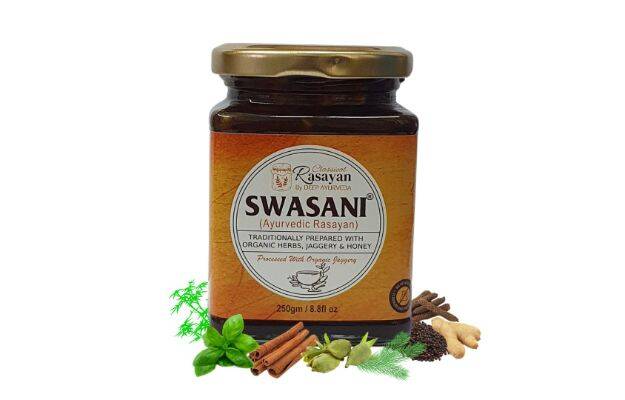
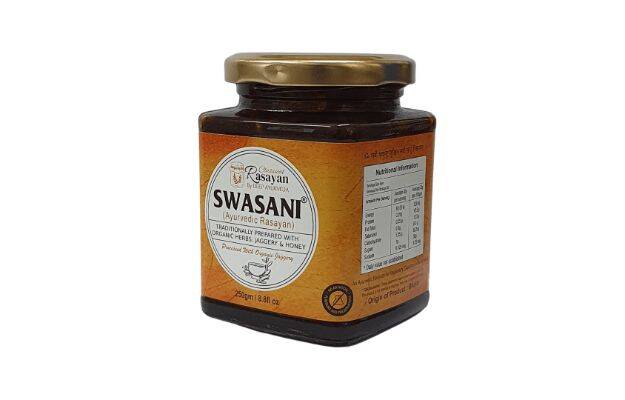
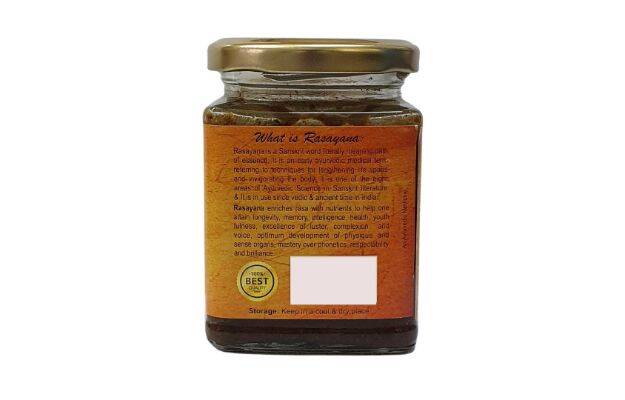
Deep Ayurveda Swasani Special Prash for Respiratory Health

 8257 people have bought this recently
250 gm Chyawanprash in 1 Jar
₹ 468
250 GM CHYAWANPRASH 1 Jar ₹ 468

  • Seller: DEEP AYURVEDA HEALTHCARE PRIVATE LIMITED
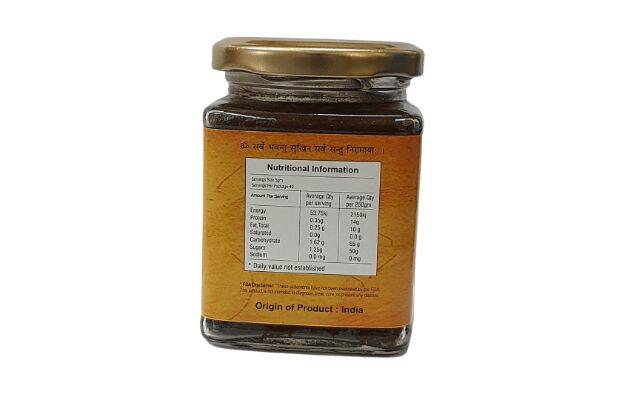
    • Country of Origin: India

    Deep Ayurveda Swasani Special Prash for Respiratory Health Information

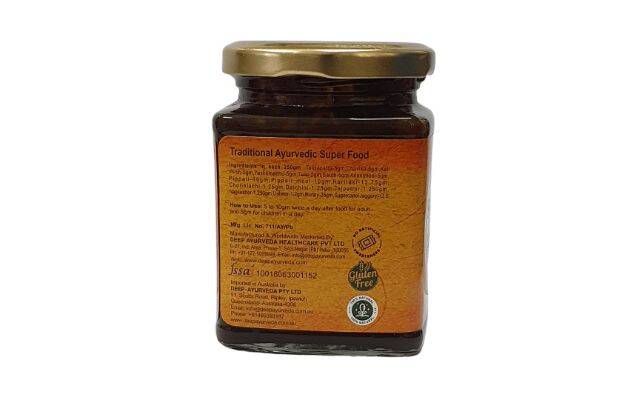
    Deep Ayurveda Swasani Special Prash for Respiratory Health is an ayurvedic medicine that is primarily used for the treatment of Weak Digestion, Cough, Weak immune system, and Lung Disease. Traditionally prepared ayurvedic prash works as a superfood to keep us healthy even in seasonal changes. This Traditional Ayurvedic Leham cleans the upper respiratory tract infection and Protects from cough Clod & Seasonal allergies. Swasani Herbal Prash is also very beneficial in digestion as it Improves our Digestive SystemThe key ingredients of Deep Ayurveda Swasani Special Prash for Respiratory Health are Ananthamoola, Black Pepper, Liquorice, Pippali, Ginger, Tulsi, Cardamom, Talispatra, Tejpatta. The properties of these have been shared below. The correct dosage of Deep Ayurveda Swasani Special Prash for Respiratory Health depends on the patient's age, gender, and medical history. This information has been provided in detail in the dosage section.

    Ingredients of Deep Ayurveda Swasani Special Prash for Respiratory Health

    Ananthamoola
    • Drugs which lower body temperature and are used during a fever
    • Substances which help in improving appetite
    • Substances that improve digestive processes.
    • An agent or medicine that promotes the secretion of phlegm, mucus from the respiratory tract.
    • Drugs which are helpful in protecting the liver from infections and aid in improving its functions
    • Substances which help in blood formation and are thus useful in the management of anaemia.
    • Drugs that kill or arrest the growth of bacteria.
    Black Pepper
    • Agents that reduce inflammation or swelling caused due to an injury or infection.
    • Agents, which help to reduce oxidative stress, by scavenging free radicals
    • A substance that is used to treat muscle spasm and muscle pain of voluntary and involuntary muscles.
    • Agents which are used to relieve depression symptoms.
    • Substances that promotes liver function and prevent liver damage.
    • Agents that have an effect on the immune system and help to alter immune function
    • Drugs that are effective in killing or reducing the growth of bacteria.
    Liquorice
    • Substances used to reduce the symptoms of fever, pain and swelling in an inflammatory response.
    • Agents, which help to reduce oxidative stress, by scavenging free radicals
    • Agents that relieve muscle spasms.
    • Drugs that interferes with and inhibits viral multiplication in body.
    • Drugs that help in soothing the inflammation and/or irritation of the mucous membrane.
    • Substances which are used to supress cough and reducing its severity
    • Substances that aid in expelling phlegm or mucus from the lungs and airways.
    • Agents that have an effect on the immune system and help to alter immune function
    • Agents that inhibit microbial growth or destroys microbes.
    Pippali
    • Substances used to reduce the symptoms of fever, pain and swelling in an inflammatory response.
    • Agents which help in reducing free radical activity and preventing oxidative stress and damage
    • Agents that relieve muscle spasms.
    • Agents which are used to relieve depression symptoms.
    • Drugs helpful in the management of a cough
    • Agents which promote the secretion of phlegm from the respiratory tract
    • Substances that promotes liver function and prevent liver damage.
    • Substances that modulate the immune system and effect immunity.
    • Substances that reduce total lipids in the body and help manage body cholesterol levels.
    Ginger
    • Agents or substances that are used to suppress inflammation (swelling).
    • Substances that scavange the singlet oxygen molecules in the body.
    • Drugs, which help in reducing muscle pain and spas,
    • Drugs helpful in the management of a cough
    • Drugs that improve the secretion of phlegm in the respiratory tract
    • Substances that can stimulate or reduce the action of immune system molecules in the body.
    • Agents that inhibit microbial growth or destroys microbes.
    Tulsi
    • Drugs which help in providing relief from asthma symptoms
    • Substances used to reduce the symptoms of fever, pain and swelling in an inflammatory response.
    • Agents, which help to reduce oxidative stress, by scavenging free radicals
    • Drugs used for the management of symptoms in case of a viral infection
    • Substances that soothe the stomach and improve digestion.
    • Drugs that induce the expulsion of cough and mucus from the respiratory tract.
    • Substances that modulate the immune system and effect immunity.
    • Agents that inhibit microbial growth or destroys microbes.
    • Drugs that arrests histamin release or action in case of allergies.
    • Substances used to supress the symptoms of allergy.
    Cardamom
    • A drug or an agent that reduces pain without causing loss of consciousness.
    • A substance or drug which is used to bring down body temperature in case of fever.
    • Substances that scavange the singlet oxygen molecules in the body.
    • A substance that is used to treat muscle spasm and muscle pain of voluntary and involuntary muscles.
    • A substance that stimulates the digestive system and is beneficial for improving appetite
    • Drugs used to repress cough.
    • Agents which promote the secretion of phlegm from the respiratory tract
    • Drugs that are used for reducing acidity of the stomach.
    • A drug or an agent that kills microbes and inhibits their multiplication.
    Talispatra
    • Drugs which can lead to pain alleviation without having an effect on conscious levels
    • Drugs which are helpful in lowering down of body temperature during a fever
    • Drugs used to eliminate microbial pathogens or inhibit their growth.
    Tejpatta
    • Medications or agents that lower blood glucose levels and are used in the treatment of diabetes.
    • A medicine or an agent which destroyes or suppresses the growth of bacteria.
    • Medicine or a substance that reduces lipid concentration in the blood which is beneficial in decreasing cholestrol level and preventing heart diseases.

    Deep Ayurveda Swasani Special Prash for Respiratory Health Benefits

    Deep Ayurveda Swasani Special Prash for Respiratory Health is used to treat the following -


    Deep Ayurveda Swasani Special Prash for Respiratory Health Dosage

    This is the usual dosage recommended in most common treatment cases. Please remember that every patient and their case is different, so the dosage can be different based on the disease, route of administration, patient's age and medical history.

    Age Group Dosage
    Adult
    • General: Use prescribed amount
    • Before or After Meal: After Meal
    • Single Maximum Dose: 2 Tablespoon
    • Dosage Form: Chyawanprash
    • Dosage Route: Oral
    • Frequency: BID (twice daily)

    Deep Ayurveda Swasani Special Prash for Respiratory Health Side Effects

    No side effects of Deep Ayurveda Swasani Special Prash for Respiratory Health have been reported in the medical literature. However, you should always consult your doctor before using Deep Ayurveda Swasani Special Prash for Respiratory Health.


    Deep Ayurveda Swasani Special Prash for Respiratory Health Related Warnings

    • Is the use of Deep Ayurveda Swasani Special Prash for Respiratory Health safe for pregnant women?


      It is not known what effect Deep Ayurveda Swasani Special Prash for Respiratory Health will have during pregnancy, because no research work has been carried out on this till date.

      Unknown
    • Is the use of Deep Ayurveda Swasani Special Prash for Respiratory Health safe during breastfeeding?


      No research work has been carried out till date on effect of Deep Ayurveda Swasani Special Prash for Respiratory Health on breastfeeding women. So it is not known whether taking Deep Ayurveda Swasani Special Prash for Respiratory Health will cause side effects or not.

      Unknown
    • What is the effect of Deep Ayurveda Swasani Special Prash for Respiratory Health on the stomach?


      Deep Ayurveda Swasani Special Prash for Respiratory Health is considered safe for the stomach.

      Safe
    • Is the use of Deep Ayurveda Swasani Special Prash for Respiratory Health safe for children?


      No research has been done regarding the safety of Deep Ayurveda Swasani Special Prash for Respiratory Health for children. Therefore, it cannot be said if Deep Ayurveda Swasani Special Prash for Respiratory Health is safe for children.

      Unknown
    • Can I take Deep Ayurveda Swasani Special Prash for Respiratory Health with alcohol?


      Information about the interaction of Deep Ayurveda Swasani Special Prash for Respiratory Health and alcohol is not available because this topic has not been researched yet.

      Unknown
    • Does Deep Ayurveda Swasani Special Prash for Respiratory Health cause drowsiness?


      Deep Ayurveda Swasani Special Prash for Respiratory Health does not cause dizziness or drowsiness, so you can drive a vehicle or operate machinery also.

      No
    • Is this Deep Ayurveda Swasani Special Prash for Respiratory Health habit forming or addictive?


      Regular use of Deep Ayurveda Swasani Special Prash for Respiratory Health does not lead to addiction.

      No

    General precautions for Deep Ayurveda Swasani Special Prash for Respiratory Health


    This medicine data has been created by -

    Dr. Braj Bhushan Ojha

    BAMS, Gastroenterology, Dermatology, Psychiatry, Ayurveda, Sexology, Diabetology
    10 Years of Experience


    References

    Ministry of Health and Family Welfare. Department of Ayush: Government of India. [link]. Volume 3. Ghaziabad, India: Pharmacopoeia Commission for Indian Medicine & Homoeopathy; 2001: Page No - 115 - 117

    Ministry of Health and Family Welfare. Department of Ayush: Government of India. [link]. Volume 1. Ghaziabad, India: Pharmacopoeia Commission for Indian Medicine & Homoeopathy; 1986: Page No - 168 - 169

    Ministry of Health and Family Welfare. Department of Ayush: Government of India. [link]. Volume 4. Ghaziabad, India: Pharmacopoeia Commission for Indian Medicine & Homoeopathy; 2004: Page No - 105 - 106

    Ministry of Health and Family Welfare. Department of Ayush: Government of India. [link]. Volume 1. Ghaziabad, India: Pharmacopoeia Commission for Indian Medicine & Homoeopathy; 1986: Page No - 138 -139

    Ministry of Health and Family Welfare. Department of Ayush: Government of India. [link]. Volume 2. Ghaziabad, India: Pharmacopoeia Commission for Indian Medicine & Homoeopathy; 1999: Page No 170 - 176

    Ministry of Health and Family Welfare. Department of Ayush: Government of India. [link]. Volume 1. Ghaziabad, India: Pharmacopoeia Commission for Indian Medicine & Homoeopathy; 1986: Page No 36-37

    Ministry of Health and Family Welfare. Department of Ayush: Government of India. [link]. Volume 3. Ghaziabad, India: Pharmacopoeia Commission for Indian Medicine & Homoeopathy; 2001: Page No 204-205

    C.K. Kokate ,A.P. Purohit, S.B. Gokhale. [link]. Forty Seventh Edition. Pune, India: Nirali Prakashan; 2012: Page No 1.97-1.98

    Ministry of Health and Family Welfare. Department of Ayush: Government of India. [link]. Volume 1. Ghaziabad, India: Pharmacopoeia Commission for Indian Medicine & Homoeopathy; 1986: Page No 153-154

    C.K. Kokate ,A.P. Purohit, S.B. Gokhale. [link]. Forty Seventh Edition. Pune, India: Nirali Prakashan; 2012: Page No 1.12


    See Similar Category Medicines Here