


 Download App




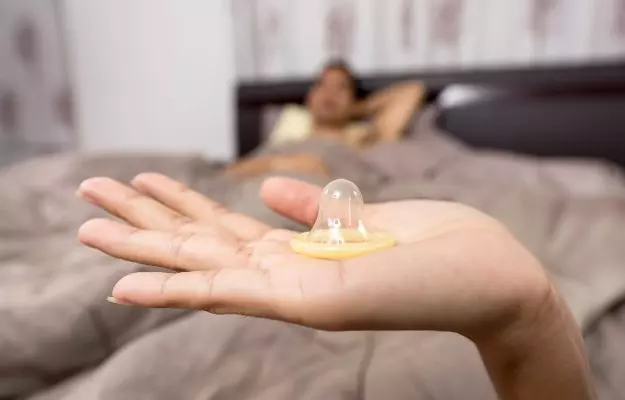



Picture this. You are in the middle of an intimate moment, you reach for a condom that has been hiding in your drawer for months, maybe years. Then you squint at the tiny print on the wrapper. The expiration date has already passed. Your mind races. Should you use it anyway or toss it? A lot of people take the risk without thinking. But here’s the truth. An expired condom is not just old rubber. It’s a weak shield.
- What Condom Expiration Really Means
- How Condoms Weaken Over Time
- Side Effects of Expired Condoms
- Medical Evidence on Condom Expiration
- How to Identify an Unsafe Condom
- Best Ways to Store Condoms
- What to Do If You Used an Expired Condom
- Common Myths About Expired Condoms
- Daily Habits for Safer Condom Use
- FAQs About Expired Condoms
- Conclusion

What Condom Expiration Really Means
Every condom carries a printed expiration date. That tiny number isn’t random. It’s based on careful testing. Manufacturers examine the material—latex, polyurethane, or polyisoprene—to see how long it can stay strong, flexible, and reliable. Most condoms last three to five years from the day they are produced. Condoms with spermicide generally have a shorter life because the chemicals inside break down the material faster.
But what happens after that date? Quiet changes start to occur. Latex slowly loses elasticity. It dries out and becomes more brittle. Polyurethane, while generally more stable, can still lose flexibility over time. Even the lubricants that make sex smooth can evaporate or separate, leaving the surface uneven or sticky. All of this increases the chance that a condom will tear, slip, or fail during use.
Here’s the tricky part: a condom may look perfectly fine on the outside. The packaging might be intact. The color might not have changed. But microscopic changes inside the material—tiny cracks or weak spots—can make a failure far more likely than you realize. It’s like a rope that looks strong but has frayed fibers inside.
Storage also plays a huge role. Condoms left in a wallet, glove compartment, or hot bathroom will age faster than those kept in a cool, dry drawer. Sunlight, heat, and humidity accelerate the chemical breakdown, even if the expiration date hasn’t arrived yet.
Think of it this way: the expiration date is not a suggestion. It’s a line in the sand. Beyond it, the manufacturer cannot guarantee the condom’s effectiveness. Using an expired condom is like crossing that line blindfolded—you might get lucky, or you might face consequences you didn’t anticipate, from unwanted pregnancy to sexually transmitted infections.
To put it in real terms, imagine a couple on a weekend trip. They find a condom in a backpack and notice the date has passed. It feels normal to touch, looks fine, but during use, it tears. That’s not just bad luck. That’s what expiration—and improper storage—looks like in real life.
Ultimately, respecting the expiration date is one of the simplest, most effective ways to protect yourself and your partner. Even if a condom seems okay visually, the internal changes that happen over time are invisible but real. It’s a quiet reminder that sexual safety isn’t just about using a condom—it’s about using one that still works.
Read More - How many types of condoms
How Condoms Weaken Over Time
Even a brand-new condom can lose its strength if it isn’t stored properly. Heat is a silent enemy. Leaving a condom in a wallet, glove compartment, or a steamy bathroom can speed up aging like nothing else. Sunlight? Just as harmful. Over time, these conditions cause tiny, almost invisible holes to form, or make the material brittle. To the naked eye, it may look fine. But inside, the condom is quietly weakening.
It’s easy to underestimate this. Many people think, “It’s sealed. It’s new-ish. It should be okay.” Unfortunately, the internal fibers of latex or polyurethane don’t lie. They degrade silently. The condom might snap under pressure, or worse, stretch too far and tear mid-use.
Medical research confirms these risks. Laboratory tests show that condoms exposed to prolonged heat or humidity burst at much lower pressures than properly stored, fresh condoms. Even a few weeks in extreme conditions can make a difference. Some studies also note that lubricants can separate or dry out faster when stored improperly, which not only affects comfort but also contributes to friction-related breakage.
Think about it like this. You find a condom tucked in your car’s glove box. It’s been baking under the sun for months. You take it out for use. It feels normal. Looks normal. But during intercourse, it breaks. That’s not coincidence. That’s physics and chemistry at work—weak material, invisible defects, and degraded lubrication.
Proper storage is simple but crucial. Keep condoms in a cool, dry place. Avoid wallets, glove boxes, or bathroom shelves. Original packaging matters too; it’s designed to protect against humidity and light. Even the most careful user can’t reverse chemical breakdown once it starts. Prevention is always easier than dealing with a failure.
The main takeaway: time and storage conditions are just as important as the expiration date. Neglect either, and the condom’s effectiveness can drop without warning.
Side Effects of Expired Condoms
So, what actually goes wrong when you use an expired condom? Let us start with the most obvious problem. Breakage. A weak condom can tear, slip, or leak without warning. That is the risky part. Once that barrier fails, there is a chance of unintended pregnancy and sexually transmitted infections such as HIV, chlamydia, gonorrhea, or herpes. Even a small tear can allow viruses or sperm to pass through.
But the problems do not stop at breakage. Old condoms can irritate the skin. As latex or polyurethane ages and the lubricants degrade, tiny chemical changes occur. These changes can cause itching, redness, or a burning sensation. For some people, irritation may even create micro-tears in the skin, which makes it easier for infections to enter. So it is not just discomfort. It is a real medical risk.
Even when the condom does not break, using an expired one can make the experience less enjoyable. It often feels tighter, drier, and less comfortable. Friction increases and pleasure drops. You might notice it feels rougher or slips awkwardly which can distract from intimacy. Over time, repeated use of degraded condoms can even make sexual activity physically uncomfortable or mentally stressful, creating a negative association with condom use.
Imagine a couple finding a condom buried at the bottom of a drawer. It is a year past its expiration. They use it anyway. Halfway through, it tears. The immediate worry is obvious, pregnancy and infections. But afterward there is also lingering discomfort and stress. That is the hidden cost of ignoring expiration.
The lesson is simple. Expired condoms are more than old rubber. They are unreliable, uncomfortable, and potentially dangerous. Even if they look fine, their protective power declines over time. Relying on an expired condom is like playing a game of chance with your safety.
(Read More - When to use a condom)
Medical Evidence on Condom Expiration
Medical research clearly shows that age and storage conditions have a big impact on condom strength. Studies have tested condoms that were kept in warm, humid environments and found that they fail more often than those stored properly. Laboratory stress tests reveal that older latex stretches less and snaps under pressure more quickly. Even polyurethane condoms become less flexible and more prone to small tears over time.
Research also shows that people who never check the expiration date before use experience higher rates of condom breakage. It is not just about the material itself. Improper storage, exposure to heat, sunlight, or moisture accelerates the weakening process. These subtle changes are often invisible but they make a real difference in reliability.
Think of it like this. A condom left in a hot car for several months may look perfectly fine but could burst under normal pressure during intercourse. Lab tests confirm that what appears intact can fail much faster than expected.
The takeaway is simple. Condom protection diminishes as time passes and storage conditions worsen. Ignoring expiration dates or leaving condoms in unsuitable places increases the risk of breakage, leaks, and reduced effectiveness.
How to Identify an Unsafe Condom
Before using a condom, it is important to give the wrapper a quick check. The first thing to look for is the expiration date. If the date has passed, do not take the risk. Next, feel the packet between your fingers. A good condom should have a small cushion of air inside. If it feels flat, sticky, or unusually puffed, the seal may be compromised and the condom might not be safe to use.
Once you open the wrapper, pay attention to the condom itself. Look for any changes in color, signs of dryness, or unusual smells. The material should feel smooth and flexible. If it is brittle, sticky, or has an odd odor, it is no longer reliable. Using a condom in this condition can increase the risk of tearing, slipping, or leaks, which can lead to unwanted pregnancy or sexually transmitted infections.
Imagine a scenario where someone grabs a condom in a hurry without checking it. The wrapper looks fine at first glance, but when unrolled, it feels dry and stiff. They use it anyway, thinking it will hold. During sex, it tears, creating an immediate risk. That small moment of oversight can have serious consequences.
Taking a few extra seconds to inspect a condom is a simple but effective habit. Checking the expiration date, feeling the wrapper, and observing the condom itself are easy steps that protect your health. When in doubt, throw it away and use a new one. Safety is always better than risk.
(Read More - Semen retention benefits)
Best Ways to Store Condoms
You don’t need fancy tricks. Just keep condoms cool, dry, and away from sunlight. A bedside drawer works. A bathroom shelf doesn’t. Avoid wallets or pockets where body heat speeds up aging. Keep them in the original wrapper until the moment you use them. Simple habits that save you from unpleasant surprises.
What to Do If You Used an Expired Condom
Sometimes accidents happen. You might only notice the expiration date after sex. Maybe the condom felt fine, but now you are worried it may have failed. First, do not panic. There are steps you can take to reduce risk.
If pregnancy is possible, emergency contraception can help. The effectiveness is highest when taken as soon as possible, ideally within the first 24 hours. Even a small delay can reduce effectiveness, so acting quickly is key.
Sexually transmitted infections are another concern. Many infections do not show symptoms right away. HIV, chlamydia, gonorrhea, and others can stay silent for weeks or even months. Testing early after a potential exposure can catch infections before they worsen. Early detection makes treatment simpler and more effective, and it helps prevent passing infections to others.
Imagine a scenario where a couple uses a condom and only later notices it was past the expiration date. They worry about pregnancy and infections. By acting quickly—getting emergency contraception and scheduling STI testing—they take control of the situation instead of leaving it to chance.
The main message is simple. Even if a mistake happens, there are medical options to protect yourself and your partner. Prompt action, testing, and follow-up can reduce both physical and emotional consequences. Being proactive is always better than waiting and worrying.
(Read more: Low libido in men causes)
Common Myths About Expired Condoms
“An expired condom is still better than nothing.” People say this a lot. It sounds logical, but experts disagree. A weakened condom may fail at the worst time. Another myth is that unopened condoms last forever. They don’t. All condoms, latex or not, break down eventually. Non-latex types like polyurethane or polyisoprene also expire and carry similar risks.
Daily Habits for Safer Condom Use
Building small, consistent habits can make a big difference in sexual safety. Start by buying condoms in small batches rather than stocking up for years. This ensures that you are always using products well within their effective lifespan.
When you store your condoms, rotate older packs to the front of the drawer so they get used first. Every single time before use, check the expiration date. It might feel tedious, but this small step can prevent a lot of trouble. Even if the condom looks okay, using one past its date increases the risk of breakage and reduces effectiveness.
Replace your supply regularly, especially if you do not use condoms frequently. Condoms sitting around for months or years can slowly degrade even in ideal conditions. By checking dates and refreshing your stock, you create a routine that keeps you protected without even thinking about it.
Think of it like this: a couple keeps a drawer of condoms, but one pack has been there for two years. They grab it in a rush, thinking it is fine. That single moment of oversight can lead to stress, worry, or worse. By following simple daily habits, you remove that risk entirely.
Little routines like checking dates, rotating stock, and buying fresh packs may seem minor, but over time they create big protection. Staying safe does not have to be complicated. A few small steps can save a lot of worry.
FAQs About Expired Condoms
Q. What happens if I use an expired condom once?
Breakage risk shoots up, which can lead to pregnancy or infections.
Q. Can an expired condom still prevent pregnancy?
Maybe. But the failure rate is much higher than a fresh condom.
Q. How long do condoms usually last?
Usually three to five years if stored right. Condoms with spermicide expire sooner.
Q. Does refrigeration make them last longer?
No. Room temperature is best. Extreme cold or heat damages the material.
Q. What if the condom looks okay even after expiry?
Looks can mislead. Chemical breakdown isn’t always visible.
Q. Is using an expired condom safer than no condom?
Not really. It might block some fluids, but you can’t count on it.
Conclusion
Expired condoms are more than just old packaging. They are a hidden risk. Over time, the materials weaken, lubricants degrade, and the protective barrier that you rely on can fail without warning. Even if a condom looks intact, microscopic changes in latex or polyurethane make it less reliable. Using an expired condom is a gamble with your sexual health, putting you at risk of unwanted pregnancy, sexually transmitted infections, and unnecessary discomfort.
The good news is that prevention is simple. Checking expiration dates, storing condoms in cool and dry places, rotating your supply, and replacing old packs regularly can keep you safe. Paying attention to small details, like the feel and appearance of the condom, adds another layer of protection. Even if mistakes happen, emergency contraception and timely STI testing can reduce the consequences.
Ultimately, sexual safety is about respect for your body and your partner. A little awareness and care go a long way. Using condoms that are in date and stored properly is not just about avoiding problems. It is about creating a worry-free, comfortable, and healthy sexual experience. Treat your protection as seriously as you treat intimacy. It is one of the simplest steps that makes a big difference in maintaining sexual health and confidence.

Doctors for sexual disorders and issues

Dr. Hakeem Basit khan
Sexology
15 Years of Experience

Dr. Zeeshan Khan
Sexology
9 Years of Experience

Dr. Nizamuddin
Sexology
5 Years of Experience