


 Download App




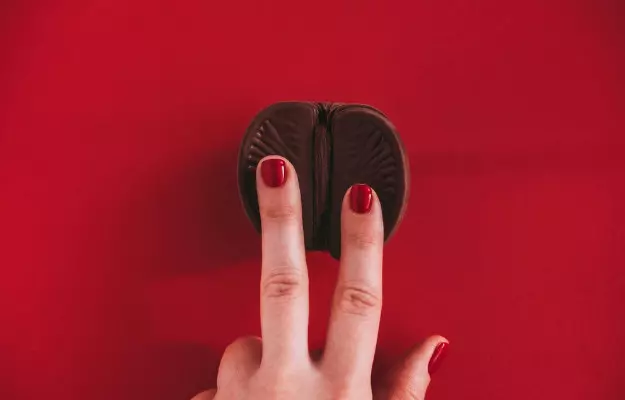



Ever felt like you’re hiding something, or wondered if what you do in private is normal? If it’s about masturbation, the answer is yes, it’s completely normal. You’re not the only one, and there’s nothing to feel ashamed of. It’s time we talk openly about something most people go through but rarely speak about.
From the time we’re born, we respond to touch and comfort. As we grow up, our bodies change, and we begin to explore ourselves in new ways. Masturbation is a private way to understand your body and what feels good. Everyone’s experience is different. In a world filled with stress and outside opinions, this simple act can become a moment of peace and self-connection. Health experts around the world agree that masturbation is a natural part of life and can even be good for your overall well-being.
- What Is Masturbation?
- Different Types Of Masturbate
- Health Benefits of Masturbation
- Potential Side Effects and Important Cautions
- When to Seek Professional Advice
-
Frequently Asked Questions (FAQs)
- Is masturbation normal?
- What are the health benefits of masturbation?
- Can masturbation relieve stress?
- Does masturbation help with sleep?
- Is it bad to masturbate too much?
- Can masturbation cause pain or injury?
- Is masturbation a form of self-care?
- Does masturbation improve mood?
- What are the common ways people masturbate?
- When should I worry about my masturbation habits?
- Conclusion
What Is Masturbation?
Masturbation means touching or stimulating your own body, especially private parts, to feel good or become sexually aroused. Sometimes it leads to orgasm, sometimes it doesn’t. It’s not just one way of doing things. For some people, it’s a quick way to relax. For others, it’s a slower and more personal experience. People of all genders, ages, and sexual preferences do it, whether they’re single, in a relationship, or somewhere in between.
What makes masturbation special is that it's something you do for yourself, in your own way, without needing anyone else. It helps you understand what feels good and what doesn’t. There’s no outside pressure, no expectations—just you, your body, and what you choose to explore. That freedom plays an important role in learning about your own sexual health and comfort.
(Read More: Fingering : A Beginner's Guide to Intimate Touch)




 Share & Earn

 Embed
Embed
 Link
Link
 Whatsapp
 Facebook
 X
Share & Earn
Embed
Link
Whatsapp
Facebook
X
X
Share & Earn
Embed
Link
Whatsapp
Facebook
X
Different Types Of Masturbate
When we talk about different types of masturbating, it’s not about putting things into fixed boxes. People use all kinds of methods to feel good, and what feels right for one person might not work the same for someone else. Everyone has their own preferences, and discovering what works best is part of the personal experience. Here are some of the common ways people explore self-pleasure:
Manual Stimulation
This is the most common way people masturbate. It involves using your hands, fingers, or sometimes other parts of your body to touch yourself. You can choose how fast, slow, soft, or firm you want the touch to be. Some people try gentle strokes, some use more pressure, or even move in circles. Everyone is different, so it’s all about figuring out what feels best for you. For many, this is how they first learn about their body and what gives them pleasure. It’s simple, easy, and doesn't need anything extra, which is why so many people prefer it.
(Read More: Sex education, sexual health tips, safe sex practices)
Using Sex Toys and Objects
Apart from using hands, many people use sex toys or safe household items to explore pleasure in different ways. Toys like vibrators give strong buzzing feelings, while dildos come in different shapes and sizes to match personal comfort and curiosity. These tools can help reach spots or give sensations that hands alone might not. Sex toys are now more common and accepted, and there are many safe options available. It’s important to use clean, body-safe items and enough lubrication to avoid any discomfort or injury. This method adds variety and fun to the experience and helps people understand what they enjoy the most.
(Read More: A Complete Guide to Oral Sex)
Water-based Stimulation
Some people enjoy using water as a way to feel pleasure. A stream of water from a showerhead, the movement of water in a bath, or even warm water in a hot tub can create gentle and relaxing feelings. The pressure and warmth of the water can touch sensitive areas in a soothing way. This method is quiet, private, and doesn’t need any tools, which makes it easy to try. It offers a different kind of sensation compared to using hands or toys and can help the body feel calm and comfortable.
(Read More: Sex tips for men)
Pillow or Surface Friction
Some people find pleasure by rubbing their bodies against soft surfaces like a pillow, bed, or cushion. This method works well for those who prefer a softer, more indirect kind of touch. The gentle pressure from the surface can create steady, pleasant feelings without being too intense. It doesn’t need any special tools and can be done quietly and privately. Many people discover this way of self-pleasure early on, and it remains a simple and comforting option for many.
(Read More: Diet before Sex)
Mental and Fantasy-Driven Stimulation
Sometimes, the mind does most of the work. For many people, imagining sexual situations, thinking about past experiences, or watching or reading something erotic can be very arousing. Some even reach orgasm just through strong fantasies, without touching their bodies at all. For others, mental images add to the physical pleasure. This shows how closely the brain and body work together when it comes to feeling good. Using your imagination for pleasure is completely normal and very personal—everyone’s thoughts and fantasies are different, and that’s okay.
(Read More: How to increase libido (sex drive): Foods and remedies)
Important Note:
There’s no one “right” way to masturbate. What matters most is what feels good and safe for you. Everyone’s body is different, and so is their way of enjoying pleasure. Try different things, listen to your body, and don’t judge yourself. Exploring in your own way is a healthy part of understanding yourself better.
Masturbation Enhanced Self-Awareness and Sexual Confidence
Masturbation is one of the best ways to learn about your own body. It helps you figure out what kind of touch feels good, where you’re most sensitive, and what brings you the most pleasure. This kind of personal knowledge makes you feel more confident in your body. It also helps in relationships. When you understand what you enjoy, you can share it with your partner more clearly, which can make sex more satisfying for both of you. Knowing yourself in this way is an important part of feeling comfortable with your sexuality and feeling good about who you are.
(Read More: Herbs to increase male sexual stamina and libido)
Health Benefits of Masturbation
Masturbation is not just about sexual pleasure. It can also be good for your health in many ways. It helps you relax, feel better emotionally, and even sleep more peacefully. Today, many doctors and health experts agree that it’s a safe and healthy way to take care of both your body and mind.
Masturbation Helps Reduce Stress and Anxiety
Everyone deals with stress, whether it’s from work, relationships, or everyday life. Masturbation can be a helpful way to relax. When you do it, your body releases chemicals like endorphins, which help you feel good and ease pain, and oxytocin, which creates a calming effect. These changes in your body can lower stress hormones and make you feel more at peace. It’s a simple, private way to let go of tension and clear your mind after a long or difficult day.
(Read More: Natural ways to increase libido)
 Share & Earn
Embed
Link
Whatsapp
Facebook
X
Share & Earn
Embed
Link
Whatsapp
Facebook
X
Share & Earn
Embed
Link
Whatsapp
Facebook
X
Share & Earn
Embed
Link
Whatsapp
Facebook
X
Masturbation Improves Mood and Sleep Quality
Masturbation can do more than just relax your body — it can lift your mood too. When you reach orgasm, your brain releases chemicals that help you feel happy and calm. If you’ve been feeling tense, sad, or anxious, this small act can help you feel more at ease. It also helps many people fall asleep faster and sleep more deeply. Afterward, both your body and mind feel more relaxed, which makes it easier to drift off. It’s a natural way to unwind at night, without needing pills or other sleep aids.
(Read More: Habits that can hurt your sex life)
Masturbation May Relieve Period Cramps and Headaches
It might sound surprising, but the pleasure from masturbation can sometimes help reduce pain. When you reach orgasm, your body releases natural feel-good chemicals called endorphins. These can make pain feel less intense for a while. Some people say it helps them feel better during period cramps, tension headaches, or body aches. It’s not a cure for medical problems, but it can give short-term relief and help you relax when you're feeling uncomfortable.
(Read More: What is sexual arousal, symptoms and stages)
Masturbation May Support Prostate Health in Men
Some studies suggest that men who ejaculate regularly, including through masturbation, might have a lower risk of prostate cancer. Experts are still looking into why this might happen, but one idea is that it helps clear out harmful substances from the prostate. While it’s not a guaranteed way to prevent cancer, it could be one more reason why regular ejaculation might be good for men’s health. Research is still going on, but it’s a promising area being studied by doctors and scientists.
(Read More: Sexually transmitted diseases (STDs))
Masturbation Supports Immunity
Masturbation doesn’t directly boost immunity like a vaccine does, but it helps in other ways. When you’re less stressed and sleeping better, your immune system works more smoothly. Stress and poor sleep can weaken your body’s defenses, making you more likely to get sick. Masturbation helps lower stress and improves sleep, which gives your body the rest it needs to stay strong and healthy. It’s one small way to support your overall well-being.
(Read More: Chronic kidney disease and men sexual disease)
Potential Side Effects and Important Cautions
Masturbation is generally safe and healthy, but like anything else, how you approach it matters. Problems don’t usually come from the act itself, but from certain habits or situations around it. For example, using too much pressure, unsafe objects, or letting it interfere with your daily life can lead to discomfort or emotional stress. Being mindful, gentle, and aware of your body’s limits can help you avoid most issues and keep the experience positive.
Avoid Rough Touch or Unsafe Objects
Your body may be strong, but it’s still sensitive. If you’re too rough or go on for too long without enough lubrication, it can cause soreness or small cuts. Also, using things that aren’t meant for sexual use—or aren’t clean—can lead to injury or infection. It’s important to be careful. Use lube if needed, especially if there’s dryness, and stick to sex toys made from safe, easy-to-clean materials. Being gentle and smart about what you use keeps the experience safe and comfortable.
(Read More: Common sex injury and side effects)
Managing Feelings of Guilt or Shame
For some people, the biggest struggle with masturbation isn’t physical—it’s emotional. Many grow up in homes or cultures where it’s treated as wrong, dirty, or shameful. This can leave lasting feelings of guilt or discomfort, even as an adult. But these feelings don’t come from the act itself—they come from old beliefs or pressure from others. Learning that masturbation is normal, healthy, and backed by experts can help ease that weight. If the guilt sticks around or feels too heavy, talking to a professional might help you understand it better and feel more at peace with yourself.
(Read More: Superfoods for Sexual Health: Boost Your Libido)
Compulsive Behavior & Interference with Life
For most people, masturbation is completely normal and healthy. But in some rare cases, it can become too much. If it starts taking up too much time, makes you avoid work, studies, or time with others, or if you feel like you have to do it even when you don’t really want to, it might be a sign of a deeper issue. The problem isn't the act—it's the lack of control. This can sometimes come from stress, anxiety, or emotional struggles. Talking to a therapist or doctor can help you understand what’s going on and get back to feeling in control.
(Read More: Erectile dysfunction diet)
When to Seek Professional Advice
For most people, masturbation is a normal and healthy part of life. But sometimes, like any habit that brings comfort, it can get in the way. It’s not that masturbation is wrong—it's when it starts affecting your daily life, relationships, or emotional health that it might be time to check in with a professional. A therapist or doctor can help you understand what’s really going on and guide you toward balance.
(Read More: Men's sexual problems and solutions)
It’s okay to reach out if something doesn’t feel right. You might want to speak to a professional if:
- You feel like you can’t stop, even when you try
- It’s affecting your work, studies, relationships, or daily life
- You often feel guilty, anxious, or sad after doing it
- You’re choosing it over things you once enjoyed
- You’re hurting yourself physically
- Or if you just feel confused or concerned about your habits
Talking to a therapist, doctor, or counselor can help you make sense of things. They’re there to listen, not judge, and can support you in building a healthier and more balanced relationship with your body and mind.
(Read More: Understanding Blue Balls: Causes, Symptoms, and Treatments)
 Share & Earn
Embed
Link
Whatsapp
Facebook
X
Share & Earn
Embed
Link
Whatsapp
Facebook
X
Share & Earn
Embed
Link
Whatsapp
Facebook
X
Share & Earn
Embed
Link
Whatsapp
Facebook
X
Frequently Asked Questions (FAQs)
Having Questions in you mind? Get solutions here!
Is masturbation normal?
Yes, it is. Masturbation is a very natural and common part of human sexuality. People of all genders, ages, and sexual orientations do it. It’s a healthy way to explore your body and your feelings. Doctors and health experts around the world agree that it’s a normal part of growing up and living a healthy life.
What are the health benefits of masturbation?
Masturbation can do more than just feel good. It can help lower stress, boost your mood, improve sleep, and even give some relief from headaches or period pain. It also helps people learn about their own bodies. Some studies even suggest that regular ejaculation might support prostate health in men.
(Read More: Male Infertility - Symptoms and Causes)
Can masturbation relieve stress?
Yes, it can help. When you're aroused or have an orgasm, your body releases chemicals that make you feel relaxed and happy. These include endorphins and oxytocin, which are known to calm the body and reduce stress. It’s one of the body’s natural ways to unwind and feel better.
Does masturbation help with sleep?
For many people, yes. After an orgasm, your body often feels deeply relaxed, and your mind becomes calmer. This can make it easier to fall asleep and stay asleep. It’s a natural way to wind down at the end of a stressful day.
(Read More: Difference Between Impotence and Infertility)
Is it bad to masturbate too much?
Usually, no. There isn’t a set number of times that’s considered “too much.” But if it starts affecting your day-to-day life, makes you feel out of control, or gets in the way of relationships or work, it might be time to talk to a doctor or counselor. It’s not about how often you do it, but how it fits into your life.
Can masturbation cause pain or injury?
It’s rare, but possible. If you’re too rough, do it too often, or don’t use enough lubrication, you might feel sore or irritated. Also, using unsafe objects or unclean toys can cause harm. Being gentle, clean, and safe helps avoid any discomfort or problems.
(Read More: How Masturbation Affects Your Body and Mind)
Is masturbation a form of self-care?
Yes, for many people it is. Masturbation can be a quiet moment of comfort, pleasure, and relaxation. It helps you understand your body and what feels good, which can boost confidence and emotional well-being.
Does masturbation improve mood?
Yes, it often does. During and after masturbation, your brain releases feel-good chemicals like dopamine and endorphins. These can help shift your mood, making you feel happier, more relaxed, and less stressed.
(Read More: How often should you masturbate?)
What are the common ways people masturbate?
People use different methods, depending on what feels best to them. Some use their hands, some use toys, some enjoy water in the shower or bath, and others use soft surfaces like pillows. Fantasy or mental stimulation also plays a big role for many. Everyone’s approach is a little different.
When should I worry about my masturbation habits?
If you feel like you can’t control the urge, feel guilty or upset afterward, or it starts taking over your time and keeping you from doing other things you enjoy, it might be a good idea to talk to a doctor or therapist. Getting help can bring balance and peace of mind.
(Read More: Does masturbation increase immunity?)
Conclusion
Masturbation is not just a physical act – it’s a natural and personal part of self-discovery. It helps you understand your body, your likes and dislikes, and how you experience pleasure. Over time, it can also bring emotional comfort, reduce stress, and improve sleep. Health experts and scientific studies now openly support that self-pleasure is normal, safe, and even good for your overall well-being. It gives you a space to connect with yourself without any pressure, and that in itself is a powerful form of self-care.
Unfortunately, society has often attached guilt or shame to this private act, which makes many people feel uneasy about something that is completely natural. That’s why it’s so important to remember that everyone’s journey is different. As long as it doesn’t harm you physically, emotionally, or interfere with your daily life, masturbation is perfectly okay. Your comfort, your peace of mind, and your understanding of your own body matter more than outdated beliefs. Embracing this truth is a step toward self-acceptance and better health.
Doctors for sexual disorders and issues

Dr. Hakeem Basit khan
Sexology
15 Years of Experience

Dr. Zeeshan Khan
Sexology
9 Years of Experience

Dr. Nizamuddin
Sexology
5 Years of Experience